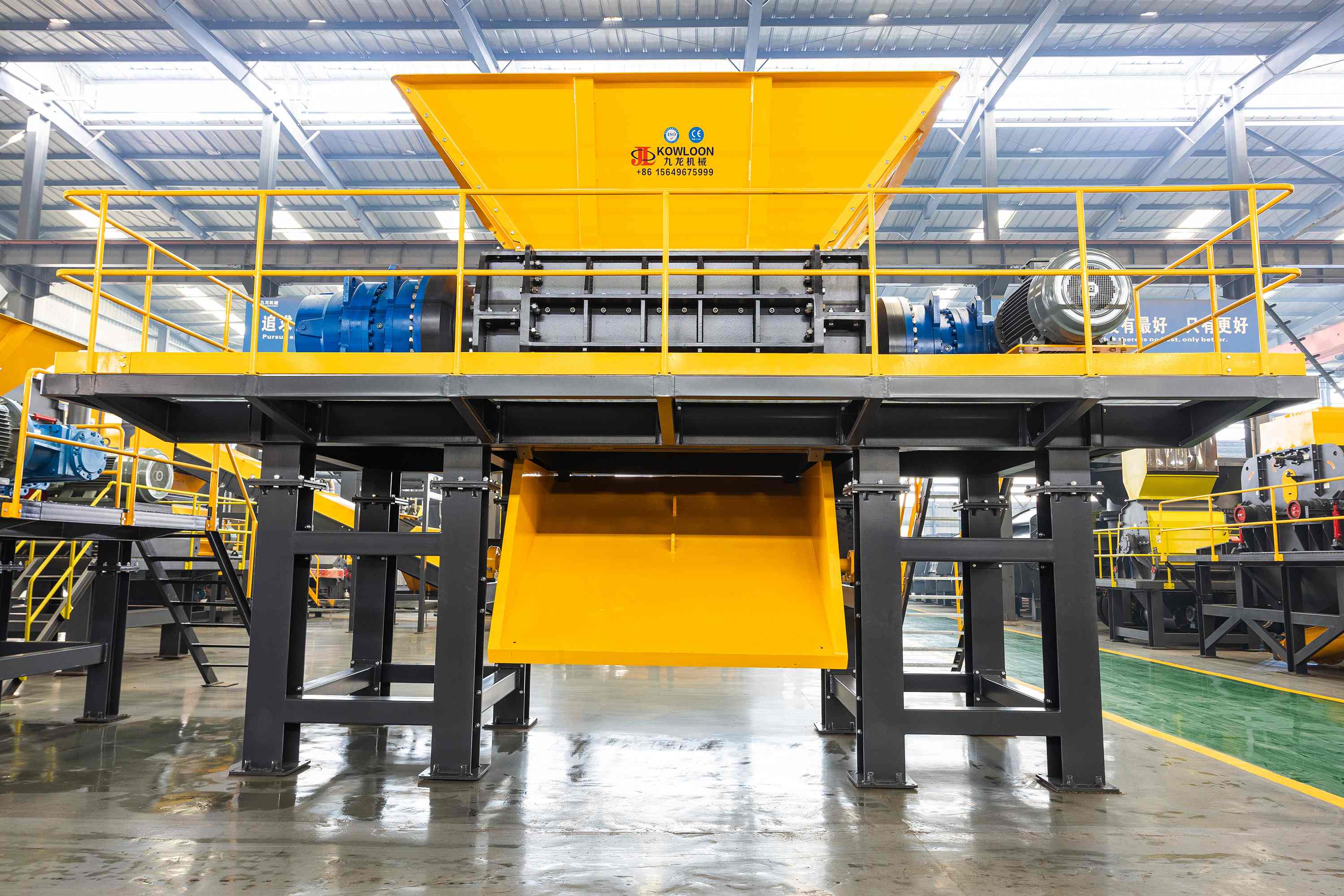
Top Tire Shredder Company Solutions for Efficient Recycling
2026-03-26
Have you ever wondered what happens to old tires when they're no longer road-worthy? As the world increasingly prioritizes sustainability, efficient recycling of tires is more crucial than ever. Enter the forefront of this green revolution: top tire shredder companies that are transforming waste into valuable resources. In this post, we'll explore innovative solutions that not only enhance recycling efficiency but also drive environmental progress. Leading the charge is Kowloon Machinery, a brand at the cutting edge of shredding technology. Get ready to discover how these advancements can benefit your operations and contribute to a cleaner planet—stay tuned for insights that might just change the way you think about tire disposal!
Innovative Tire Shredding Technology Reduces Waste
In the fight against environmental waste, a groundbreaking tire shredding method is emerging as a game-changer. Traditional disposal often involves burning or landfilling, which releases harmful pollutants or occupies vast spaces. This new approach uses advanced mechanical processes to break down used tires into reusable materials efficiently and cleanly. By doing so, it not only diverts tons of waste from landfills each year but also opens up opportunities for recycling in industries like construction and manufacturing, turning a persistent problem into a valuable resource.
What sets this technology apart is its integration of smart sorting and energy recovery systems. Unlike older shredders that rely on brute force, this innovation incorporates sensors and AI-driven controls to optimize the shredding process, reducing energy consumption and minimizing emissions. The resulting rubber granules and steel fibers are of higher purity, making them ideal for producing new products such as playground surfaces, athletic tracks, or even asphalt additives. This shift not only enhances sustainability but also boosts economic viability by lowering production costs and creating local jobs in recycling facilities.
Looking forward, the adoption of this tire shredding technology signals a broader move toward circular economies. Communities and businesses are embracing it as a proactive solution to waste management challenges, with pilot projects showing significant reductions in carbon footprints. By continuously refining these methods, experts aim to achieve near-zero waste from tires worldwide, fostering a cleaner planet for future generations.
Custom Solutions for Various Recycling Applications
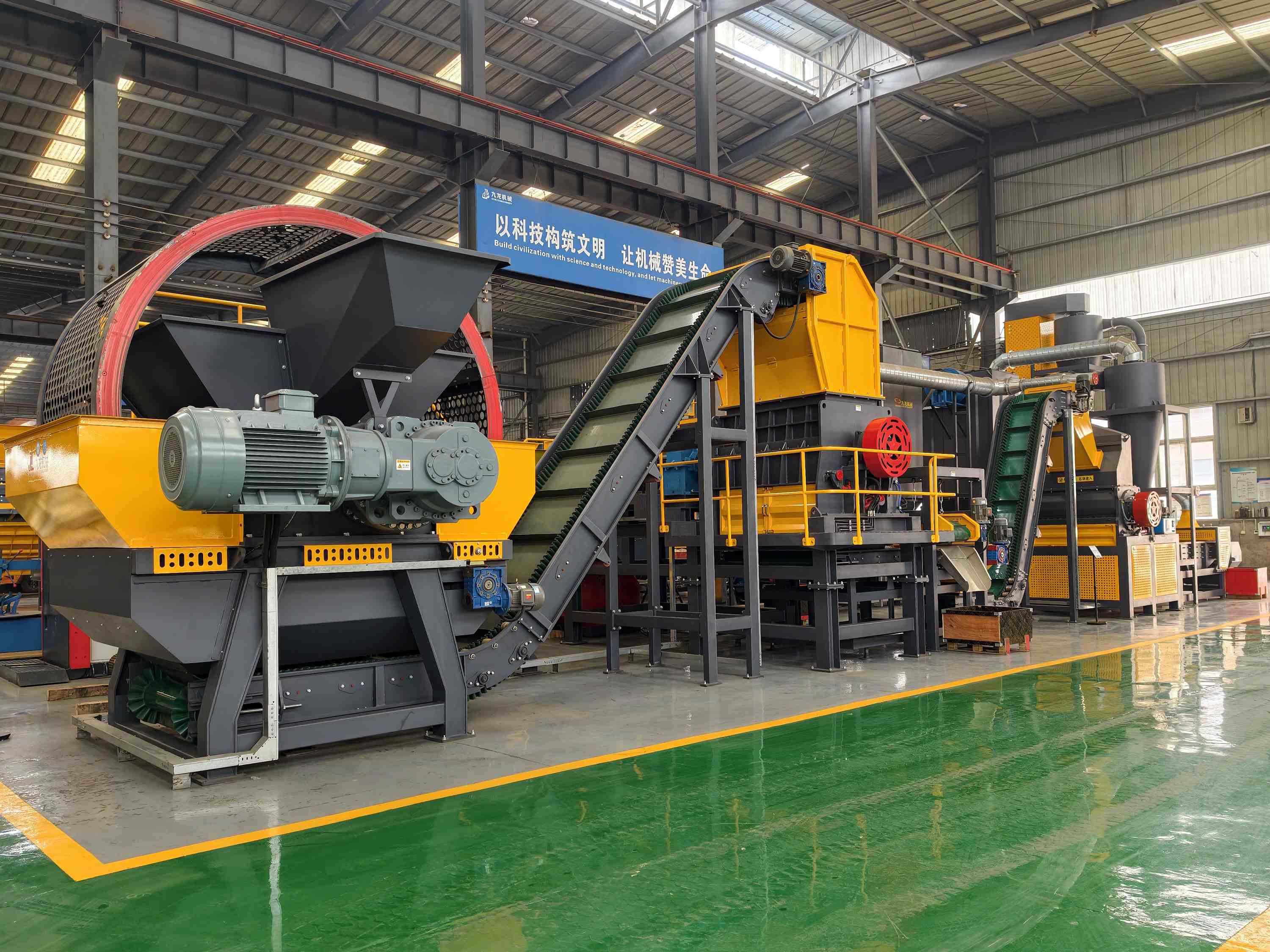
In today's fast-paced world, recycling isn't just a one-size-fits-all process; it requires tailored approaches to handle diverse materials and industries effectively. Whether you're dealing with complex electronic waste or everyday plastic packaging, custom solutions ensure that each type of recyclable is processed efficiently, maximizing recovery rates and minimizing environmental impact. By focusing on specific needs, such as sorting technologies or material-specific treatments, businesses can achieve higher quality outputs and reduce contamination in the recycling stream.
What sets these customized systems apart is their ability to adapt to regional regulations and local waste compositions, which can vary significantly from one area to another. For instance, a facility in an urban center might prioritize high-volume plastic recycling, while a rural operation could focus on agricultural waste like pesticide containers. This flexibility allows companies to not only meet legal requirements but also address unique community challenges, fostering innovation in recycling techniques that go beyond standard practices.
Moreover, custom solutions often integrate advanced technologies, such as AI-driven sorting or chemical processing methods, to handle niche applications like battery recycling or textile upcycling. This specialization leads to more sustainable outcomes by recovering valuable resources that might otherwise be lost in general waste streams, ultimately supporting circular economy goals and reducing reliance on raw materials.
High-Throughput Systems Maximize Operational Efficiency
High-throughput systems focus on maximizing the volume and velocity of data processing, often through parallel architectures that allow multiple tasks to be handled concurrently. By leveraging advanced technologies like load balancing and distributed computing, these setups ensure minimal delays and enhanced resource utilization. This approach is particularly beneficial in dynamic environments where rapid response times are critical, enabling organizations to stay agile and responsive to changing demands.
The key to superior operational efficiency lies in how these systems are designed to minimize bottlenecks and optimize workflows. Through sophisticated algorithms and automation, they streamline complex processes, reducing manual intervention and boosting productivity. This translates into significant cost savings and quicker turnaround times, allowing teams to achieve more with fewer resources.
Adopting high-throughput solutions not only elevates performance metrics but also fosters innovation by freeing up time for strategic initiatives. With seamless integration and continuous monitoring, organizations can maintain peak efficiency, ensuring they remain competitive and ready to tackle future challenges head-on.
Durable Equipment Built for Long-Term Reliability
When it comes to industrial machinery or everyday tools, durability isn't just a feature—it's the backbone of operational continuity. Our equipment is engineered to withstand the toughest conditions, from extreme temperatures to heavy-duty cycles, ensuring it performs consistently over years of use. By integrating robust materials like reinforced steel and corrosion-resistant alloys, we create products that resist wear and tear, minimizing downtime and maintenance costs. This focus on longevity means that every piece is a long-term investment, not just a short-term solution, providing peace of mind in demanding environments.
Beyond mere strength, reliability is woven into the design through rigorous testing and real-world validation. We don't just aim for equipment that lasts; we strive for components that operate flawlessly under pressure, avoiding unexpected breakdowns that can disrupt workflows. Advanced sealing technologies and precision engineering ensure that moving parts stay in sync, reducing friction and energy loss. This meticulous approach translates to equipment that not only endures but also delivers predictable performance, time and again, making it a trusted partner in any project.
In a market saturated with quick fixes, our commitment to durability sets us apart by prioritizing quality over shortcuts. Each product undergoes a lifecycle assessment to optimize for sustainability as well, ensuring that it's built to be repairable and upgradeable. This forward-thinking design means you won't be replacing equipment every few years, reducing environmental impact and total cost of ownership. By choosing our solutions, you're investing in a legacy of reliability that adapts to evolving needs while staying steadfast at its core.
Expert Support and Service Enhance Recycling Outcomes
Access to specialized expertise is crucial for improving recycling outcomes across various industries. When organizations tap into the knowledge of seasoned professionals, they gain insights into the latest technologies, best practices, and regulatory requirements. This expert support helps streamline operations, reduce contamination in recyclable materials, and boost overall efficiency, ultimately leading to higher recovery rates and a more sustainable approach to waste management.
Tailored service solutions play a key role in enhancing recycling systems by addressing specific challenges unique to each facility or community. By offering customized consultations, training programs, and ongoing support, service providers can help implement strategies that maximize material value and minimize environmental impact. This personalized approach ensures that recycling initiatives are not only effective but also adaptable to changing market conditions and consumer behaviors.
Investing in expert-led services often results in measurable improvements, such as reduced operational costs and increased public participation. Through continuous monitoring and feedback mechanisms, professionals can fine-tune processes, resolve bottlenecks, and foster a culture of innovation. This dynamic interaction between support services and recycling operations drives long-term success, making resource recovery more viable and impactful for both businesses and communities.
Sustainable Practices Drive Environmental Benefits
In today's rapidly evolving world, adopting sustainable practices has become a cornerstone for organizations aiming to reduce their ecological footprint. By integrating eco-friendly methods into daily operations, companies can significantly cut down on waste and energy consumption. For instance, switching to renewable energy sources not only lowers carbon emissions but also leads to long-term cost savings, demonstrating that environmental responsibility and economic efficiency often go hand in hand.
Beyond mere compliance, these strategies foster a culture of innovation, encouraging the development of greener technologies and products. Communities benefit from cleaner air and water, while businesses gain a competitive edge by appealing to environmentally conscious consumers. This shift towards sustainability not only preserves natural resources for future generations but also builds resilience against environmental challenges, creating a healthier planet for all.
Moreover, sustainable practices extend beyond individual actions to influence global supply chains, promoting transparency and ethical sourcing. This holistic approach ensures that every stage of production aligns with environmental goals, from reducing plastic use in packaging to implementing circular economy models that minimize waste. By prioritizing sustainability, we pave the way for a more balanced and prosperous world, where economic growth and ecological health thrive together.
FAQ
Leading companies often invest in advanced shredding technologies that reduce energy consumption and enhance output quality, ensuring more efficient recycling processes.
They implement strict safety protocols and utilize emission-control systems to meet global environmental standards, minimizing ecological impact during shredding.
Solutions are designed to handle a wide range, from passenger car tires to heavy-duty truck and industrial tires, adapting to various sizes and materials.
By integrating automated sorting systems and real-time monitoring tools, they maximize throughput and material recovery rates, reducing downtime.
Most offer comprehensive maintenance plans, technical training, and spare parts availability to ensure long-term operational reliability for clients.
It transforms waste tires into reusable materials like rubber crumb and steel, supporting circular economy initiatives and reducing landfill waste.
Recent advancements include AI-driven automation for better material separation and modular designs that allow easy upgrades to existing systems.
Evaluate factors such as processing capacity, space requirements, and budget, while consulting with experts to tailor solutions for optimal performance.
Conclusion
Leading tire shredder companies are revolutionizing recycling through advanced technologies that significantly reduce tire waste. Their innovative shredding solutions not only tackle environmental challenges by transforming end-of-life tires into reusable materials, but also offer custom approaches tailored to diverse recycling needs. By integrating high-throughput systems, these companies maximize operational efficiency, enabling faster processing while maintaining quality, which is crucial for meeting the growing demand in various industrial applications.
These solutions are backed by durable, reliable equipment designed for long-term use, minimizing downtime and repair costs. Coupled with expert support and comprehensive services, they ensure seamless implementation and enhanced recycling outcomes. Moreover, a strong commitment to sustainable practices drives broader environmental benefits, such as reducing landfill waste and promoting circular economy principles. This holistic approach positions top tire shredder companies as key players in fostering efficient, eco-friendly recycling systems that support both business goals and global sustainability efforts.
Contact Us
Contact Person: Ray
Email: [email protected]
Tel/WhatsApp: +86 13733817580
Website: https://www.zzkowloon.com/