
Hydraulic Drifter Innovations: China's Leading Factory for Advanced Drilling Solutions
2025-12-22
In the rugged world of mining and construction, where precision and durability are non-negotiable, hydraulic drifters stand as essential tools for efficient drilling. As global demand for advanced drilling solutions grows, one name has consistently pushed the boundaries of innovation: PULANKA. This blog delves into the cutting-edge hydraulic drifter technology emerging from China's leading factory, exploring how PULANKA is revolutionizing the industry with smart, robust designs that enhance performance and reduce downtime. Join us as we uncover the engineering marvels behind these powerful tools and see why they're setting new standards in drilling excellence.
Revolutionizing Drilling Efficiency with Hydraulic Drifter Technology
Hydraulic drifter technology has completely transformed the drilling landscape by introducing a level of precision and power previously unseen in traditional pneumatic systems. Unlike older methods that rely on compressed air, hydraulic systems utilize fluid pressure to deliver consistent, high-energy impacts directly to the drill bit. This shift not only boosts penetration rates by up to 30% in hard rock formations but also minimizes wear on equipment, extending the lifespan of drills and reducing long-term operational costs. Engineers and miners now rely on these advanced tools to tackle challenging projects with greater confidence and efficiency.
What sets hydraulic drifters apart is their adaptability across various applications, from mining and quarrying to construction and tunneling. Their modular design allows for seamless integration with different rigs, providing operators with the flexibility to customize drilling parameters on the fly. This real-time adjustability ensures optimal performance in diverse geological conditions, whether dealing with abrasive granite or softer sedimentary layers. As a result, projects can proceed more smoothly, with fewer delays and enhanced safety due to reduced vibration and noise levels compared to outdated pneumatic alternatives.
Looking ahead, the continued evolution of hydraulic drifter technology promises even greater strides in drilling efficiency through innovations like smart sensors and automated controls. These advancements enable predictive maintenance, alerting crews to potential issues before they escalate into costly downtime. In industries where every minute counts, such as mineral extraction or infrastructure development, this proactive approach translates into significant savings and faster project completion. Ultimately, hydraulic drifters are not just tools but strategic assets that redefine how we approach drilling challenges in the modern era.
Innovative Engineering Behind High-Performance Hydraulic Drifters
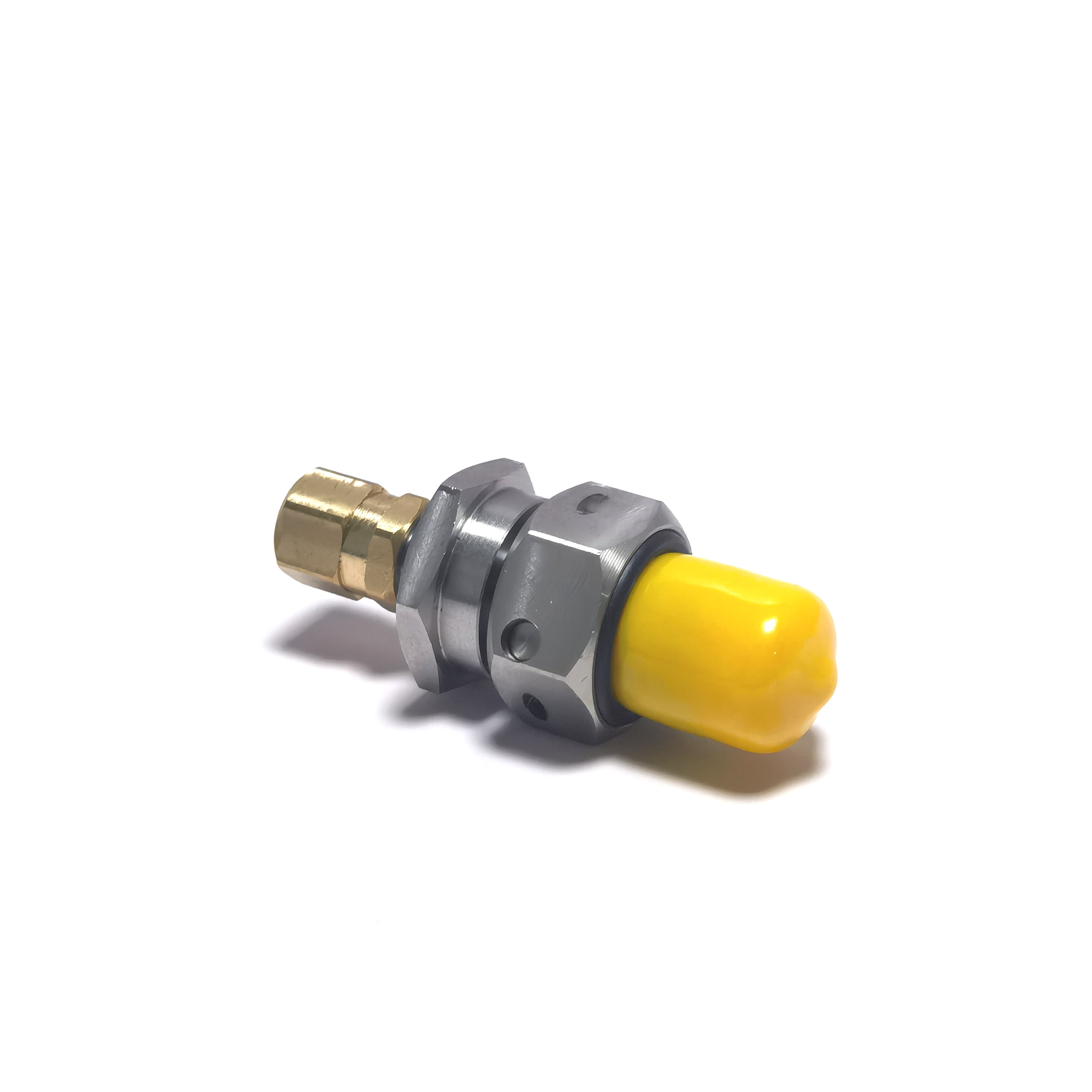
At the heart of high-performance hydraulic drifters lies a blend of precision engineering and advanced material science, transforming how these tools tackle tough rock formations. Unlike conventional models, modern drifters incorporate lightweight yet ultra-durable alloys that minimize wear while maximizing impact force transfer. This innovation not only extends operational lifespan but also reduces maintenance downtime, making them ideal for demanding mining and construction environments where reliability is non-negotiable.
Another key advancement involves the integration of smart hydraulic systems that dynamically adjust pressure and flow rates based on real-time feedback from sensors embedded within the drifter. These systems optimize energy consumption and enhance drilling accuracy by automatically calibrating to varying rock densities. By eliminating manual adjustments, operators experience smoother performance with fewer errors, leading to increased productivity on-site without sacrificing control.
Beyond hardware, ergonomic design plays a crucial role in setting these drifters apart. Features like vibration-dampening handles and noise-reduction technologies reduce operator fatigue, allowing for longer, safer work sessions. This focus on user comfort, combined with robust engineering, ensures that high-performance hydraulic drifters deliver not just power, but a seamless, efficient experience that stands out in competitive markets.
Customizable Drilling Solutions for Diverse Industrial Applications
In today's industrial landscape, one-size-fits-all approaches often fall short when it comes to drilling operations. That's why customizable drilling solutions have become essential for meeting the specific demands of various sectors, from mining and construction to oil and gas. By tailoring equipment, techniques, and workflows, companies can achieve higher efficiency, reduce downtime, and adapt to unique environmental challenges, ensuring that each project benefits from a precision-engineered approach.
For instance, in the aerospace industry, drilling requirements might involve lightweight materials and tight tolerances, whereas in geothermal energy projects, the focus could be on deep-well drilling in harsh conditions. Customizable solutions allow for adjustments in drill bit design, coolant systems, and automation levels, enabling seamless integration into diverse workflows. This flexibility not only boosts productivity but also enhances safety by addressing site-specific risks, making it a game-changer for industries where standard tools just won't cut it.
Moreover, the ability to adapt drilling strategies on-the-fly means businesses can respond quickly to changing project scopes or unexpected obstacles. Whether it's incorporating advanced sensors for real-time data or modifying rig configurations for remote locations, these tailored approaches foster innovation and resilience, helping industries stay competitive in a fast-evolving market. Ultimately, investing in customizable drilling solutions isn't just about getting the job done—it's about optimizing every aspect of the process for long-term success.
Advanced Material Science in Durable Drifter Components
The integration of advanced material science into drifter components marks a transformative leap in durability and performance. By leveraging cutting-edge alloys and composites, such as titanium alloys and carbon-fiber reinforced polymers, these components can withstand extreme environmental stresses, from corrosive seawater to high-impact collisions. This not only extends the operational lifespan of drifters but also enhances their reliability in long-term oceanic monitoring, where failure is not an option. The shift towards lightweight yet robust materials reduces energy consumption and maintenance needs, making deployments more sustainable and cost-effective.
Innovations in material engineering play a crucial role in tailoring drifter components to specific mission demands. For instance, smart materials with self-healing properties can autonomously repair minor damages, minimizing downtime and improving data continuity in remote locations. Additionally, the use of bio-inspired materials, like those mimicking shark skin for reduced drag, optimizes hydrodynamic efficiency, allowing drifters to navigate currents with greater precision. These material choices directly influence the accuracy of data collection, supporting advanced research in climate studies and marine ecosystems without compromising on durability.
By focusing on material science, drifter technology continues to evolve beyond basic functionality. The development of nanocomposite coatings offers enhanced resistance to biofouling, a common issue that can degrade sensor performance and buoyancy. Coupled with advanced manufacturing techniques like 3D printing, these materials enable custom designs that adapt to diverse oceanic conditions, from polar ice to tropical waters. This holistic approach ensures that durable drifter components are not just passive tools but active contributors to scientific discovery, pushing the boundaries of what's possible in marine exploration and environmental monitoring.
Smart Integration and Automation in Modern Drifting Operations
In the dynamic world of modern drifting, smart integration and automation are no longer optional upgrades but essential components that elevate performance and precision. By seamlessly connecting vehicle systems such as traction control, throttle response, and suspension settings, these technologies allow drivers to execute complex maneuvers with confidence. Real-time data analytics from onboard sensors provide instant feedback on tire pressure, weight distribution, and drift angle, enabling fine-tuning on the fly. This holistic approach transforms the car into an extension of the driver's intuition, making it possible to push boundaries while maintaining control in high-stakes environments.
Automation in drifting operations isn't about replacing the driver's skill; instead, it enhances it by handling repetitive tasks and optimizing conditions for peak performance. For instance, automated systems can adjust differential settings based on track layout or weather conditions, ensuring optimal grip and stability without manual intervention. In practice, this means drivers can focus more on technique and less on mechanical adjustments, leading to smoother transitions and more consistent results. From amateur enthusiasts to professional circuits, these innovations are reshaping how drifters train and compete, creating a more accessible and data-driven sport.
Looking ahead, the integration of AI and machine learning promises to further revolutionize drifting by predicting and adapting to variables in real-time. Imagine a system that learns from each run, automatically suggesting line adjustments or power delivery modifications to maximize scores in competitions. This level of sophistication not only improves safety by reducing human error but also opens new creative avenues for style and expression in drifting. As technology continues to evolve, the fusion of human artistry with automated precision will likely define the next era of the sport, making every drift more impactful and personalized.
Global Impact and Sustainable Practices in Hydraulic Drifting
Hydraulic drifting, a technique used in mining and construction, has sparked significant global debates due to its environmental footprint. While it enables access to deep mineral deposits and supports infrastructure projects, critics highlight issues like water contamination, habitat disruption, and greenhouse gas emissions from heavy machinery. Communities worldwide report mixed outcomes, with some benefiting economically but others facing long-term ecological damage. This dichotomy underscores the need for balanced approaches that acknowledge both industrial demands and planetary health.
In response, innovative sustainable practices are emerging, such as closed-loop water systems that drastically reduce consumption and wastewater discharge. For instance, companies in Scandinavia have adopted biodegradable drilling fluids, minimizing toxic runoff into rivers. Additionally, the integration of renewable energy sources, like solar-powered equipment, cuts carbon emissions on site. These measures not only mitigate harm but also enhance operational efficiency, proving that eco-friendly adaptations can be both practical and profitable in the long run.
Beyond technical fixes, broader initiatives include stricter international regulations and community-based monitoring programs, ensuring transparency and accountability. By combining local insights with global standards, the industry can shift towards more responsible models. Ultimately, the future of hydraulic drifting hinges on this synergy—balancing economic growth with environmental stewardship to leave a lighter footprint on our shared world.
FAQ
By integrating proprietary technologies with real-world mining challenges, the factory continuously refines drifter designs for enhanced durability and precision.
Rather than relying on generic engineering, it focuses on bespoke solutions tailored to specific geological conditions, often involving direct collaboration with end-users.
Hard rock mining and large-scale tunneling operations see significant efficiency gains, as the equipment handles abrasive materials with reduced downtime.
Yes, modifications in power output, attachment compatibility, and environmental adaptations are common, driven by site-specific demands and local regulations.
Rigorous on-site testing under extreme conditions, combined with meticulous material sourcing, maintains high performance standards and long-term operational consistency.
Research into AI-assisted control systems and energy-efficient hydraulic circuits aims to boost automation and sustainability without compromising power.
It provides comprehensive training for operators and maintenance teams, along with responsive technical support to minimize disruptions in critical projects.
Conclusion
China's leading factory for advanced drilling solutions is at the forefront of hydraulic drifter innovations, revolutionizing drilling efficiency with cutting-edge technology. By harnessing innovative engineering behind high-performance hydraulic drifters, the facility significantly enhances operational speed and precision, reducing downtime and energy consumption. This transformative approach not only boosts productivity but also sets new industry benchmarks, positioning China as a key player in global drilling advancements. The integration of smart systems and automation further streamlines processes, ensuring consistent results and adaptability across various challenging environments.
The factory's commitment to excellence extends to offering customizable drilling solutions for diverse industrial applications, from mining to construction, tailored to meet specific project needs. Through advanced material science in durable drifter components, it ensures longevity and resilience, minimizing maintenance costs and environmental impact. Emphasizing global impact and sustainable practices in hydraulic drifting, the facility prioritizes eco-friendly designs and responsible resource management. This holistic strategy not only drives technological leadership but also fosters long-term partnerships worldwide, solidifying China's role in shaping the future of efficient and sustainable drilling operations.
Contact Us
Contact Person: Elma
Email: [email protected]
Tel/WhatsApp: +86 13738628777
Website: https://www.pulankagroup.com/