FRP Manhole Cover Manufacturer: Durable Solutions for Modern Infrastructure Needs
2026-03-12
In the intricate web of urban development, manhole covers often go unnoticed—until they fail. These essential components of modern infrastructure must withstand relentless pressures, from heavy traffic to harsh weather. At Sino Grating, we recognized this challenge and engineered Fiberglass Reinforced Plastic (FRP) manhole covers as a durable, innovative solution. Unlike traditional materials, our FRP covers offer unparalleled strength, corrosion resistance, and lightweight design, addressing the growing demands of contemporary cities. In this blog, we delve into how Sino Grating is revolutionizing infrastructure with these advanced covers, ensuring safety and sustainability for years to come. Join us as we explore the future of urban resilience.
Innovative Design Features of FRP Manhole Covers
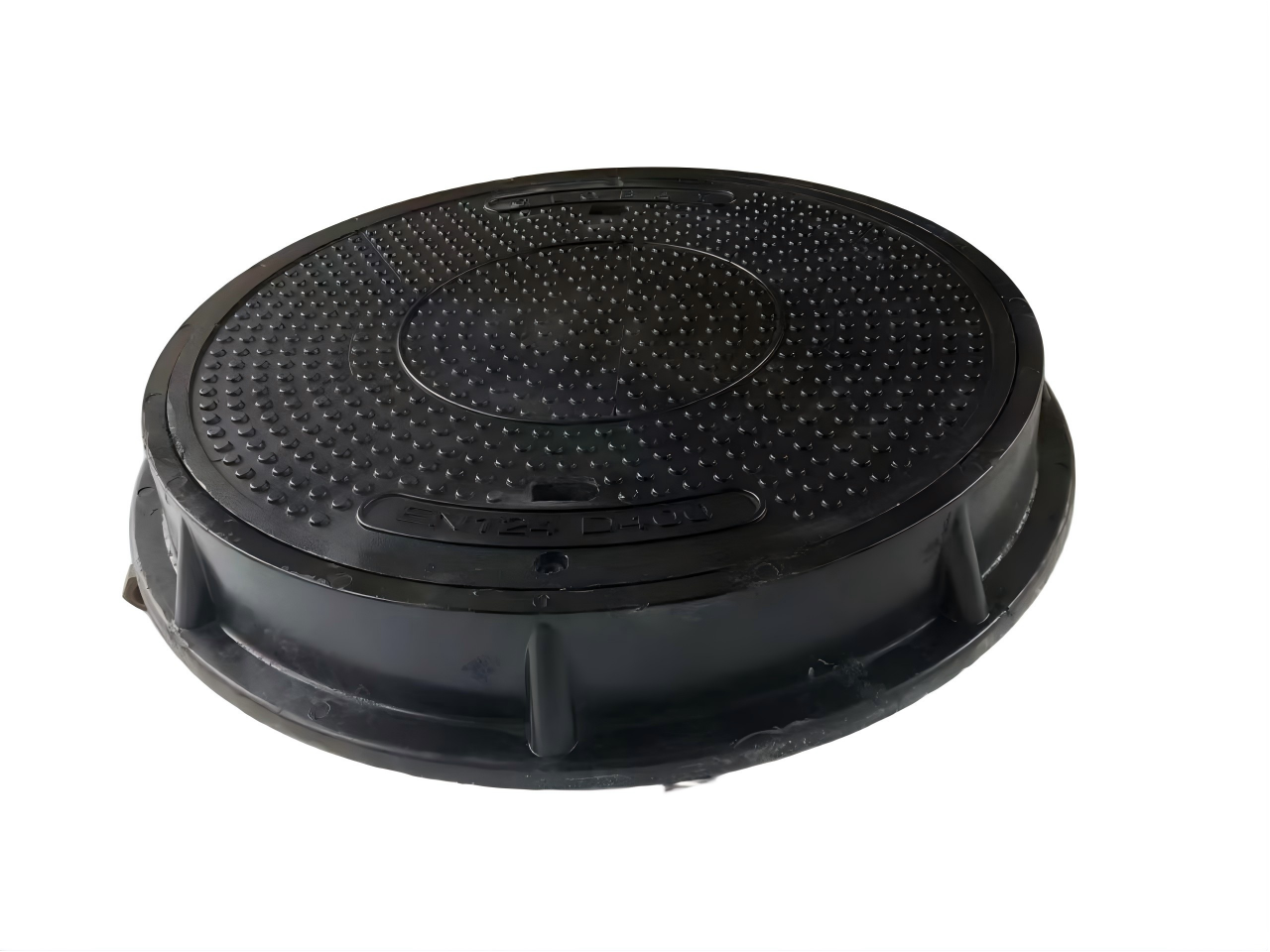
FRP (Fiber Reinforced Plastic) manhole covers are reshaping urban infrastructure with their clever blend of lightweight durability and safety. Unlike traditional cast iron covers, these aren't just heavy slabs of metal; they're engineered composites that resist corrosion from water, chemicals, and salty environments, making them ideal for coastal areas or industrial zones. Their design often includes non-slip textures and noise-reduction features, so you won't hear that loud clang when vehicles pass over—perfect for keeping neighborhoods quiet and safe underfoot.
One standout innovation is the customization potential. FRP covers can be molded into various shapes and colors, allowing cities to match aesthetic themes or integrate logos, all while maintaining structural integrity. This flexibility extends to load-bearing capacities, tailored through layered fiber orientations to handle everything from pedestrian foot traffic to heavy truck loads without cracking. It's like giving each cover a personalized strength profile, blending form with function in a way that old-school materials simply can't match.
Beyond looks and strength, these covers shine in smart urban applications. Some models incorporate embedded sensors or RFID tags for easy inventory tracking and maintenance alerts, helping municipalities monitor conditions without costly manual checks. The lightweight nature speeds up installation and reduces worker strain, cutting down on labor costs and safety risks. In an era where infrastructure needs to be both resilient and adaptable, FRP manhole covers offer a forward-thinking solution that’s light on weight but heavy on innovation.
Enhancing Urban Infrastructure with Advanced Materials
Cities around the world are increasingly turning to advanced materials to tackle pressing challenges in urban development, from aging bridges and roads to rising energy demands. By integrating innovations like self-healing concrete and carbon fiber composites, municipalities can not only extend the lifespan of critical structures but also reduce maintenance costs and environmental impact. For instance, self-healing concrete uses embedded bacteria or polymers to repair cracks automatically, potentially cutting repair needs by up to 50% in some applications.
Beyond durability, advanced materials such as aerogels and phase-change materials are revolutionizing urban energy efficiency. These materials offer superior insulation properties, helping buildings retain heat in winter and stay cool in summer, which slashes energy consumption and greenhouse gas emissions. Imagine retrofitting older buildings with these lightweight, highly effective insulators—it's a practical step toward greener cities without requiring massive reconstruction efforts.
What truly sets this approach apart is its ability to foster smarter, more resilient urban environments. Materials like graphene-enhanced sensors can be embedded in infrastructure to monitor stress, traffic flow, or environmental conditions in real time, providing data for proactive maintenance and adaptive planning. This isn't just about patching up old systems; it's a transformative shift toward dynamic, responsive cities that evolve with their inhabitants' needs, blending innovation with sustainability in ways that feel tangible and forward-thinking.
Cost-Efficient Solutions for Long-Term Durability
When it comes to ensuring long-term durability without breaking the bank, the key lies in adopting smart, forward-thinking strategies that prioritize both upfront savings and ongoing resilience. One effective approach is to invest in high-quality materials from the start, as they often require less maintenance and replacement over time, reducing overall lifecycle costs. For example, using corrosion-resistant alloys or advanced composites can extend the lifespan of structures significantly while minimizing repair expenses. Additionally, implementing predictive maintenance techniques—like regular inspections and data-driven monitoring—helps catch issues early before they escalate into costly failures, ensuring sustained performance without surprise budget hits.
Another angle to consider is the integration of modular designs and scalable solutions, which allow for easy upgrades or adaptations as needs evolve, rather than requiring complete overhauls. This not only cuts down on waste but also keeps expenses manageable over the long haul. By focusing on energy-efficient systems, such as those that optimize resource use or leverage renewable sources, organizations can further curb operational costs while boosting durability against environmental fluctuations. It's about striking a balance that avoids overspending on unnecessary features while still building for endurance, making every dollar count toward a more robust future.
Ultimately, achieving cost-efficient durability isn't just about cutting corners; it's about making informed choices that pay off over years of use. Engaging with expert consultants or leveraging industry benchmarks can guide decisions toward proven solutions that stand the test of time. By emphasizing lifecycle analysis over initial price tags, businesses and individuals alike can create lasting value without the burden of constant repairs, fostering sustainability and reliability in a way that truly feels human-centered and practical.
Customizable Options to Meet Diverse Project Requirements
When you're tackling a project, one size rarely fits all—that's where customizable options come into play. They allow you to tweak features, adjust timelines, or select specific components, ensuring the end result aligns perfectly with your unique goals and constraints.
From choosing color schemes in design tools to configuring advanced settings in software development, these options empower you to scale up for large-scale initiatives or streamline for tighter budgets, offering flexibility that can adapt as your project evolves over time.
By integrating such customizations, teams can avoid rigid solutions that might stifle creativity, fostering an environment where innovation thrives and each project feels distinctly tailored to its purpose.
Environmental Benefits and Sustainability in Construction
When it comes to building projects, going green isn't just a trend—it's a game-changer for our planet. Construction isn't the first thing that comes to mind when thinking eco-friendly, but modern approaches are changing that. By using less energy, reducing waste, and selecting materials smartly, builders can cut down on their carbon footprint dramatically. It's not just about slapping some solar panels on a roof; it's about designing from the ground up to work with nature, not against it. This shift not only helps in fighting climate change but also saves money in the long run, making it a win-win for everyone involved.
Sustainability in this field also means thinking beyond the build. Imagine a world where every new structure gives back to its surroundings—like buildings that capture rainwater for reuse or incorporate green roofs that support local wildlife. This holistic view encourages us to consider the entire lifecycle of a project, from sourcing materials responsibly to ensuring that old structures can be easily repurposed instead of torn down. It's a creative challenge that pushes innovation, leading to smarter, more resilient communities that thrive for generations.
What really sets sustainable construction apart is how it humanizes the process. Instead of focusing solely on profits, it prioritizes health and well-being, using non-toxic materials that improve indoor air quality and designing spaces that boost productivity and happiness. This isn't just about ticking boxes for certifications; it's about crafting environments that feel good to live and work in, making sustainability a natural part of everyday life. By weaving these principles into every project, we're building a future that's not only stronger but kinder to both people and the planet.
Installation and Maintenance Best Practices for Optimal Performance
Getting your system up and running smoothly starts with a solid installation process. Instead of rushing through the setup, take time to understand the manufacturer's guidelines and any site-specific requirements that might affect performance. Always ensure you're working in a clean, well-lit environment with proper tools on hand—this small step can prevent costly mistakes down the line. Check for compatibility issues before installing components, as mismatched parts can lead to inefficiencies or even damage. Remember, a careful installation isn't just about following steps; it's about laying a foundation for long-term reliability.
Once everything is in place, focus on proactive maintenance strategies that keep things humming without constant intervention. Develop a routine schedule tailored to your system's usage patterns—frequent checks for wear and tear, cleaning of filters or vents, and software updates when needed. Don't wait for problems to arise; monitor performance metrics regularly to spot trends that could indicate underlying issues. Simple tasks like tightening loose connections or updating drivers can significantly extend the lifespan of your equipment, saving you time and money in the long run.
To truly optimize performance, blend installation precision with ongoing attention. Consider integrating smart monitoring tools that alert you to potential issues before they escalate, and train your team on best practices to ensure consistency. By combining thorough initial setup with a culture of regular upkeep, you'll not only boost efficiency but also create a resilient system that adapts to changing demands. This holistic approach transforms maintenance from a chore into a key driver of peak performance.
FAQ
FRP (Fiber Reinforced Polymer) manhole covers are highly durable due to their composite material, which resists corrosion, chemicals, and extreme weather, ensuring long-term reliability in harsh environments.
They offer lightweight design for easier installation and maintenance, reduce theft risk due to low scrap value, and provide high strength-to-weight ratios, supporting efficient urban development and safety.
Yes, FRP covers are often more sustainable as they can be made from recyclable materials, have a lower carbon footprint in production, and require less energy for transportation and handling.
Common safety features include non-slip surfaces to prevent accidents, lockable designs to deter unauthorized access, and high visibility colors for better detection in low-light conditions.
Manufacturers often provide customization options for size, shape, color, and load-bearing capacity, allowing them to meet diverse requirements in various infrastructure applications.
FRP covers generally have lower maintenance costs because they are resistant to rust and degradation, reducing the need for frequent replacements or repairs over their lifespan.
Conclusion
FRP manhole cover manufacturers offer innovative design features and advanced materials that significantly enhance urban infrastructure. By utilizing fiber-reinforced polymer (FRP), these covers provide superior strength, corrosion resistance, and lightweight properties, making them ideal for modern construction projects. This approach not only improves durability but also allows for customizable options tailored to diverse project requirements, ensuring flexibility in various applications. Additionally, the use of FRP supports cost-efficient solutions by reducing long-term maintenance needs and extending the lifespan of infrastructure components, ultimately contributing to sustainable urban development.
The environmental benefits and sustainability aspects of FRP manhole covers highlight their role in modern infrastructure. These covers are often made from recyclable materials, reducing waste and minimizing the ecological footprint of construction projects. Furthermore, following installation and maintenance best practices ensures optimal performance and longevity, enhancing the overall efficiency of urban systems. By integrating these elements, FRP manufacturers provide durable and reliable solutions that address the evolving demands of contemporary infrastructure needs, promoting resilience and innovation in the built environment.
Contact Us
Contact Person: Nicholas Zhu
Email: [email protected]
Tel/WhatsApp: 18921275456
Website: https://www.sino-grate.com