Flame Retardant Blinds Manufacturer Explains Fire Safety for Window Coverings
2026-08-23
When it comes to fire safety, window coverings rarely get the attention they deserve—yet the wrong choice can turn a small flame into a fast-moving disaster. As a leading flame retardant blinds manufacturer, ROLLERGY is pulling back the curtain on what most suppliers won't tell you about fabrics, testing standards, and the hidden risks hanging in plain sight. Here's what actually makes a blind fire-safe—and why your current ones might not be.
What Most People Get Wrong About Flame Retardant Blinds
Many assume that flame retardant blinds are completely fireproof, but that's not the case. These window coverings are designed to resist ignition and slow the spread of flames, giving occupants more time to escape. They are not meant to withstand direct, prolonged contact with fire, and thinking otherwise can lead to a dangerous false sense of security.
Another common misconception is that all flame retardant treatments are permanent and harmless. In reality, some chemical additives can break down over time, especially with exposure to sunlight or frequent cleaning, reducing their effectiveness. Additionally, certain older flame retardants have raised health concerns, though modern alternatives are generally considered safer and more environmentally friendly.
People also tend to overlook that these blinds are only part of a broader fire safety strategy. Relying solely on flame retardant materials ignores the importance of smoke alarms, escape routes, and proper maintenance. Understanding these limits helps homeowners make informed decisions rather than placing blind trust in a single feature.
Inside the Lab: How Fire Tests Actually Work for Window Coverings
Step into the burn room, and the first thing you notice is how still the air is. Every window covering sample is cut to a precise size, hung vertically from a stainless steel frame, and left to acclimate for hours. The technician positions a small, calibrated burner just beneath the fabric's lower edge, then applies a controlled flame for a fixed number of seconds—often twelve, though it varies by protocol. A stopwatch starts the moment the flame touches the material, and every second after that matters.
Once the burner is pulled away, the real scrutiny begins. The sample might keep burning with an open flame, or it might glow silently without any visible fire. Those two behaviours are logged separately: afterflame time and afterglow time. Char length is measured with a ruler against the vertical warp of the fabric, while any drips that fall onto a bed of surgical cotton below are watched closely. If the cotton ignites, that's a separate failure trigger, even if the sample itself looks nearly intact.
The final call isn't a simple pass or fail based on a single dramatic moment. Technicians check a list of thresholds: afterflame longer than a couple of seconds, char length exceeding a marked line, or any ignition of the cotton. If any one of these is true, the sample is flagged for that rating class. Humidity inside the chamber is recorded too, because moisture can mask how a fabric would behave in a real room. On dry days, some materials that looked safe in a humid test will suddenly show their true colours.
The Hidden Fire Risks in Everyday Blinds
Most people hang blinds without a second thought, yet the material itself often sits closer to a heat source than you realise. Synthetic slats and fabric vanes—polyester, vinyl, PVC—soften and ignite far more readily than natural fibres once a candle, space heater, or faulty wiring gets involved. The danger isn't always open flame; a slow buildup of heat behind a closed blind can warp the slats, release flammable vapours, and create a fuel source that's already suspended at window height, exactly where a fire wants to climb.
Dust and lint trapped in the headrail add another layer of risk. Over months, fine debris collects around the cord mechanism and folds of the fabric, and all it takes is a spark from a nearby socket or a short in the motor of a smart blind to turn that dust into an ignition point. Meanwhile, older blinds with metal chains or exposed PVC cords can reflect or even conduct heat in unexpected ways, sometimes transferring warmth to the wall or window frame behind them until the surface reaches a critical temperature.
Material Choices That Change the Fire Equation
Material choices tend to get treated as an afterthought in fire safety, yet they quietly dictate whether a small ignition becomes a flashover. Swapping untreated wood or standard polyethylene for mineral wool, gypsum board, or intumescent coatings isn't just about adding a label—it alters the available fuel load and slows the rate of heat release. When the materials themselves resist ignition or char in a controlled way, the timeline for evacuation and suppression shifts in favor of the occupants.
Take cable insulation as a practical example. Halogen-free, low-smoke compounds burn less readily and produce far less toxic smoke than PVC, which means the difference between a survivable corridor and an impossible one during the first few minutes. Similarly, structural steel protected by a thin layer of expanding paint stays cooler for longer, preserving load-bearing capacity when it matters most. These aren't exotic solutions; they're quiet upgrades that reset the baseline risk.
Architects and engineers have a habit of chasing aesthetics first, but the most elegant fire strategy often lives in the material schedule. Choosing calcium silicate board over plywood for a shaft wall, or specifying a thermoplastic with a high limiting oxygen index for enclosures, can do more than a dozen added sprinklers. The fire equation isn't written in stone—each specification either feeds it or starves it.
Simple Habits That Keep Window Coverings Safer
Most window covering accidents happen in the first few seconds of adjusting a blind or shade, not during installation. Before you tug on a cord or wand, pause and scan the area for small children or pets—curious hands and paws can reach faster than you expect. Keep cribs, beds, and play areas at least a foot away from any window treatment, and if you have looped cords, take ten seconds to knot them up high or wrap them around a cleat. It sounds basic, but making that quick visual check a habit turns a daily task into a safer one.
Another overlooked habit is testing the tension and mounting hardware once a season. Brackets loosen with repeated use, especially on wide or heavy coverings, and a sagging headrail puts extra strain on lift mechanisms. Run your hand along the top rail to check for gaps or wobble, then tighten any screws that have backed out. If you notice frayed cords, cracked slats, or a wand that sticks, don't force it—replace the part before it fails. Spending five minutes every few months prevents the slow deterioration that leads to sudden drops or tangled cords.
Finally, adjust how you operate the covering rather than fighting it. Pull cords straight down instead of at an angle, and raise or lower shades with both hands on wider units to avoid uneven wear. For cordless or motorized options, teach everyone in the house to use the same gentle motion, and keep remotes or wands in a fixed spot so they're not dropped or stepped on. Small, consistent movements—along with keeping the area around windows clear—do more for long-term safety than any single upgrade.
Certifications Worth Checking Before You Buy
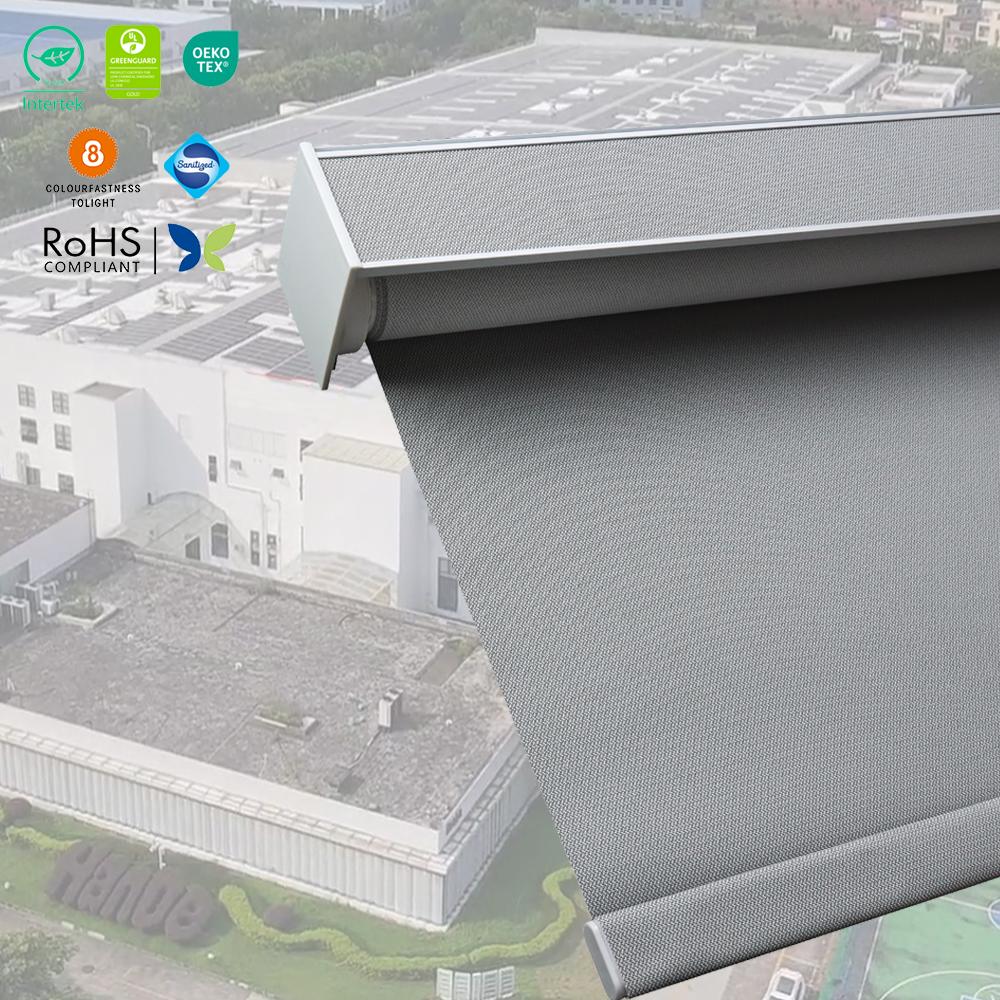
When a product carries an independent certification mark, it usually means someone outside the company has tested or verified specific claims. Look for UL or ETL marks on electrical items to confirm they meet basic safety standards. For textiles or children's products, Oeko-Tex or GREENGUARD certifications indicate lower chemical emissions, which is useful if you have allergies or young kids at home.
Food and supplement labels are trickier because many seals are self-created. USDA Organic, Fair Trade Certified, and Non-GMO Project Verified are backed by third-party audits, so they carry more weight than vague words like "natural" or "clean." If you buy seafood, check for MSC or ASC labels to support traceable fisheries and farms. Even for cleaning products, EPA Safer Choice means every ingredient has been reviewed for human and environmental impact.
Don't assume a certification guarantees perfection, though. Some programs focus only on one aspect—like energy use but not durability—so it helps to know what each seal actually covers. A quick glance at the certifier's website can reveal whether they test annually, require unannounced factory visits, or simply collect a fee. Paying a little attention here can save you from buying something that looks green or safe but falls short in real-world use.
FAQ
It comes down to the fabric or slat material and how it's treated during production. We use inherently fire-resistant fibres or apply a certified chemical finish that slows ignition and limits flame spread. The goal isn't to make the blind fireproof, but to stop it from becoming fuel that helps a fire move across a room.
Requirements vary by location, but in many regions the stricter rules apply to commercial, healthcare, and multi-occupancy buildings. For private homes, it's less about legal mandates and more about layered safety—especially in kitchens, home offices, or rooms with lots of electrical equipment.
Look for test certificates and clear labelling that reference recognised standards such as BS 5867, NFPA 701, or M1. A reputable manufacturer should be able to supply documentation showing the product was tested by an independent lab, not just a claim on the packaging.
If the fire resistance comes from a topical finish, regular cleaning can gradually reduce its effectiveness. That's why we recommend checking the care label and avoiding harsh detergents. Inherently flame-resistant fabrics, on the other hand, keep their properties for the life of the material because the protection is built into the fibre itself.
Absolutely. The old image of stiff, industrial-looking fabrics is outdated. Today you can get soft textures, linen-like weaves, blackout options, and a wide range of colours that behave like any other quality window covering—just with a safer performance profile.
Think about areas where ignition sources and fabrics are close together: kitchens near cooktops, rooms with open fireplaces or candles, home cinemas with electrical equipment, and any commercial space with high occupancy. Stairwells and escape routes also benefit because slowing flame spread can buy valuable time.
Yes, and it's an important distinction. Fireproof implies the product will not burn under any condition, which is rare for soft window coverings. Flame retardant means the material resists ignition, burns more slowly, or self-extinguishes when the heat source is removed. That's the realistic safety target for blinds.
Conclusion
Most people think flame retardant blinds are either completely fireproof or just a gimmick, but neither is accurate. They are designed to slow ignition and limit flame spread, not to withstand a direct flame forever. In the lab, manufacturers test window coverings by exposing samples to controlled flames and measuring ignition time, flame spread, and heat release. These tests reveal a hidden problem. Ordinary blinds made from untreated polyester or cotton can turn into vertical wicks, letting fire climb quickly toward ceilings and windows. Materials that contain inherent flame-retardant properties or are treated with quality fire-resistant finishes change that behavior, reducing how fast a fire grows and buying precious seconds for escape.
Choosing the right fabric is only part of the equation. Simple habits matter just as much, such as keeping blinds away from candles, space heaters, and damaged cords or plugs. Look for certifications from recognized testing bodies, not vague claims on packaging. A reputable flame retardant blinds manufacturer will openly share test reports and explain what the certification actually covers, because no single test proves safety in every real-world fire. By combining informed material choices with mindful daily use and verified labels, you lower the fire risk without falling for overstated promises.
Contact Us
Contact Person: Vivien Cheng
Email: [email protected]
Tel/WhatsApp: +86 13751758835
Website: https://www.rollergytech.com/