
Expert Guide to Importing Mold Steel: Boost Your Manufacturing Efficiency
2026-04-11
Welcome to the world of precision manufacturing! In today's fast-paced industrial landscape, the quality of your tools can make or break your production line. When it comes to mold steel—the backbone of countless manufacturing processes—sourcing the right materials is not just a choice; it's a strategic imperative. Imagine a scenario where every press, every injection, and every cut is executed with unwavering reliability and efficiency. That’s the promise of expertly imported mold steel, and it’s closer than you think. In this guide, we’ll dive into the nuances of selecting, importing, and utilizing high-grade mold steel to supercharge your operations. From navigating international standards to optimizing supply chains, you’ll discover practical insights that can transform your workflow. But first, let’s highlight a key player in this arena: Jiangsu Baowu New Materials, a name synonymous with innovation and durability in the steel industry. Their expertise underscores why the right material choice isn’t just about cost—it’s about building a foundation for excellence. Ready to elevate your manufacturing game? Keep reading to unlock strategies that will keep you ahead of the curve.
Understanding Mold Steel Types for Enhanced Production
When it comes to boosting production efficiency in molding processes, the choice of steel isn't just a minor detail—it's a game-changer. Different mold steel types offer unique properties, such as hardness, toughness, and corrosion resistance, which directly impact how long your molds last and how well they perform under pressure. By understanding these variations, manufacturers can select materials that reduce downtime, improve part quality, and ultimately cut costs, making it a crucial step in optimizing any production line.
Imagine working with a high-volume injection molding setup: using a steel that's prone to wear means frequent replacements and inconsistent outputs. On the other hand, selecting a steel like P20 or H13, known for their durability and heat resistance, can lead to smoother operations and fewer defects. It's not about picking the most expensive option but matching the steel type to specific applications—whether it's for plastic, die-casting, or forging—to enhance overall productivity and reliability.
Beyond the basics, diving into specialized steels like stainless or pre-hardened varieties reveals opportunities for niche needs, such as producing medical devices or automotive parts with tight tolerances. Tailoring your steel choice based on factors like mold complexity and environmental conditions can transform production challenges into competitive advantages, ensuring that every cycle counts toward higher output and better results.
Key Factors in Selecting High-Quality Import Sources
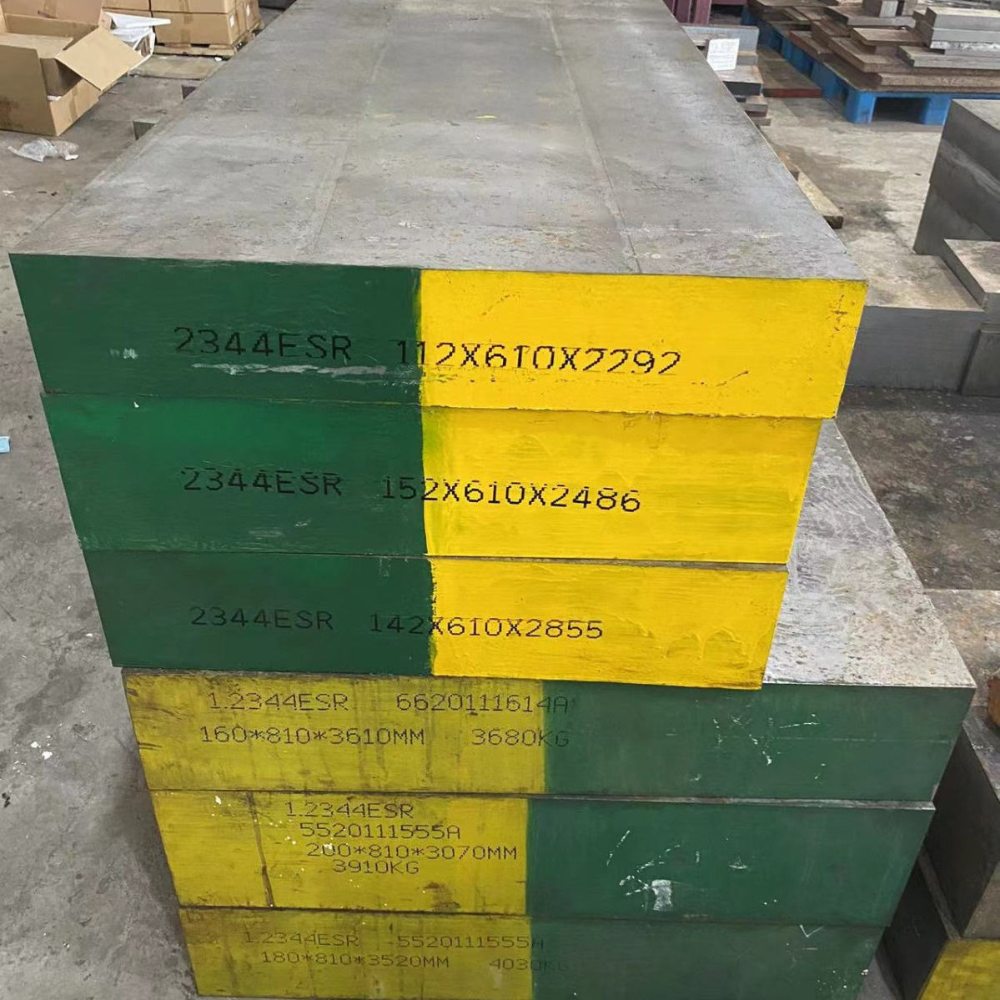
Choosing the right import sources can make or break a business's supply chain and overall market competitiveness. It's not just about finding the cheapest option; it involves evaluating factors like reliability, consistency, and the ability to adapt to changing market demands. Businesses often need to assess the track record of potential suppliers, their delivery timelines, and how well they handle quality control. Without a thorough vetting process, companies might face delays, subpar products, or unexpected costs that could harm their reputation and bottom line.
Another critical aspect is the regulatory and compliance landscape in the source country. Importers must stay informed about tariffs, trade agreements, and any legal requirements that could impact the sourcing process. This goes beyond just knowing the rules; it includes understanding how political stability or economic shifts in the region might affect supply continuity. By prioritizing sources with transparent practices and strong adherence to international standards, businesses can minimize risks and build more resilient partnerships that withstand market fluctuations.
Finally, don't overlook the cultural and logistical nuances that come with international sourcing. Effective communication, relationship-building, and understanding local business customs can foster trust and collaboration, leading to smoother transactions and long-term success. It's often these softer factors, like responsiveness and problem-solving abilities, that set high-quality sources apart from others, ensuring a more sustainable and profitable import strategy.
Streamlining Import Logistics to Reduce Downtime
In today's fast-paced global market, delays in receiving imported goods can cripple production lines, leading to costly stoppages and missed deadlines. By streamlining import logistics, companies can proactively address bottlenecks, such as customs clearance inefficiencies or carrier scheduling issues, ensuring that components arrive just in time for assembly. This approach minimizes idle machinery and keeps operations running smoothly, ultimately preserving revenue and enhancing competitive edge.
Implementing advanced tracking systems and predictive analytics plays a key role in this process. Real-time visibility into shipment statuses allows teams to anticipate potential disruptions and adjust workflows dynamically, rather than reacting to problems after they occur. Coupled with strategic partnerships with reliable logistics providers, businesses can create a resilient supply chain that adapts quickly to changing conditions, reducing the risk of unexpected downtime.
Beyond technology, fostering collaboration across departments is essential for effective logistics management. When procurement, shipping, and operations teams communicate seamlessly, they can coordinate efforts to accelerate import processes, from pre-shipment documentation to final delivery. This holistic strategy not only cuts down on administrative delays but also builds a culture of efficiency, ensuring that downtime becomes a rare exception rather than a recurring challenge.
Cost-Effective Strategies for Mold Steel Procurement
When it comes to mold steel procurement, savvy buyers focus on balancing upfront costs with long-term performance. Instead of just hunting for the lowest price tags, consider factors like steel grade consistency and supplier reliability—these can prevent costly downtime during production. For example, opting for a slightly pricier but well-documented steel batch might reduce the risk of premature wear in molds, saving money on repairs and replacements down the line. It's like investing in a workhorse that won't let you down when deadlines loom.
Collaborating closely with suppliers can unlock hidden efficiencies, such as bulk purchasing agreements or just-in-time delivery schedules that cut storage expenses. Don't forget to explore recycled or reconditioned mold steels if quality isn't compromised; some suppliers offer certified options that provide solid durability without the premium price. This approach isn't about cutting corners but smartly allocating resources to ensure molds last through rigorous cycles without breaking the budget.
To stay ahead, benchmark your procurement against industry peers and leverage digital tools for price tracking and material forecasts. This proactive stance helps you spot trends and negotiate better deals, making your overall strategy more resilient and cost-effective in volatile markets.
Ensuring Compliance with International Standards and Regulations
Navigating the world of international standards and regulations can feel like steering a ship through a stormy sea—daunting yet necessary for any global operation. Imagine trying to trade new technology across borders without a shared language of compliance, or manufacturing goods that fail to meet safety benchmarks in key markets. It's not just about avoiding penalties; it's about building trust and reliability. Companies today must proactively engage with frameworks like ISO, GDPR, or industry-specific codes, weaving them into their core processes rather than treating them as afterthoughts. This shift from reactive to strategic compliance can turn regulatory hurdles into competitive edges, ensuring products and services resonate worldwide.
What many overlook is the dynamic nature of these standards—they're not static rules but evolving conversations. For instance, environmental regulations might tighten as climate concerns grow, or data privacy laws could expand with technological advances. Staying ahead requires continuous monitoring and adaptation, something that goes beyond mere box-ticking. It involves fostering a culture where teams understand the "why" behind compliance, integrating it into design, sourcing, and distribution. When done right, this approach reduces risks like fines or recalls while enhancing brand reputation, as customers increasingly favor businesses that prioritize ethics and accountability on a global scale.
In practice, aligning with international standards isn't a one-size-fits-all task; it demands tailored strategies that respect local nuances while upholding universal principles. Consider a pharmaceutical company adhering to Good Manufacturing Practices (GMP) across different regions—each with its own health authority guidelines. Success hinges on robust documentation, employee training, and audits, but also on creative problem-solving when standards conflict. By embracing this complexity, organizations can not only ensure smooth operations but also pioneer innovations that set new benchmarks, turning compliance from a barrier into a beacon for excellence in an interconnected world.
Leveraging Advanced Steel Properties for Superior Product Output
In today's competitive manufacturing landscape, the strategic use of advanced steel properties isn't just an option—it's a game-changer for elevating product quality and performance. By tapping into cutting-edge steel formulations, manufacturers can create components that are not only stronger and lighter but also more resistant to corrosion and fatigue. This approach allows for designs that were once impractical, enabling products to withstand harsher environments and last longer, which directly translates to enhanced customer satisfaction and market appeal.
Beyond mere durability, advanced steel properties offer a unique blend of versatility and precision that can streamline production processes and reduce waste. For instance, steels with tailored microstructures can be more easily formed or welded without compromising integrity, leading to fewer defects and lower rework rates. This results in a smoother workflow, faster turnaround times, and ultimately, a superior output that meets stringent quality standards while keeping costs in check.
At its core, leveraging these properties means moving beyond traditional materials to unlock new possibilities in product innovation. Whether it's through high-strength alloys for automotive safety or specialized grades for aerospace applications, this focus on advanced steel empowers manufacturers to push boundaries and deliver solutions that stand out in crowded markets. It's a proactive strategy that not only boosts efficiency but also fosters a reputation for excellence, driving long-term growth and differentiation.
FAQ
It offers practical, step-by-step insights that address common challenges like selecting the right steel grade and navigating import regulations, directly impacting production efficiency.
By breaking down factors like durability, heat resistance, and cost-effectiveness, it provides real-world examples to match steel types to your project needs.
Yes, it outlines streamlined procedures for customs clearance and documentation, helping avoid common pitfalls that cause shipping holdups.
It covers strategies like bulk purchasing, negotiating with suppliers, and minimizing waste through precise material planning.
Absolutely, it details methods for verifying steel certifications and conducting inspections to ensure top-notch quality upon delivery.
By integrating the guide's tips into procurement and production workflows, companies can shorten lead times and boost machine uptime.
Conclusion
Importing mold steel requires a strategic approach that begins with a thorough understanding of material types and their applications in production. By selecting high-quality sources and leveraging advanced steel properties, manufacturers can significantly enhance product output and efficiency. Navigating international standards and regulations ensures compliance while streamlining logistics to reduce downtime underscores the importance of a well-planned procurement process.
Effective strategies for cost-effective procurement involve careful consideration of factors such as supplier reliability and material performance. Integrating these aspects not only boosts manufacturing efficiency but also positions businesses for sustained growth in competitive markets. A comprehensive guide to importing mold steel thus serves as an invaluable resource for optimizing operations and achieving superior production outcomes.
Contact Us
Contact Person: Zoe Liang
Email: [email protected]
Tel/WhatsApp: 86 189 2128 6299
Website: https://www.baowuchina.com