
Downspout Machine Factory in China: Advanced Solutions for Efficient Water Management
2026-09-10
In today's rapidly urbanizing world, efficient water management is more crucial than ever. From heavy rainfalls to sustainable drainage systems, how can industries ensure optimal performance while minimizing environmental impact? Enter the revolutionary advancements in downspout machinery, particularly from China's leading factories. This blog explores cutting-edge solutions that not only enhance water management efficiency but also set new standards in durability and innovation. At the heart of this transformation is Beenew, a brand synonymous with precision engineering and reliable performance. Dive in to discover how these technologies are reshaping infrastructure and why they matter for your projects.
Innovative Engineering: How China's Downspout Machines Revolutionize Water Management
China's downspout machines are transforming urban water management with cutting-edge innovations that address critical challenges like flooding and water scarcity. By integrating smart sensors and AI-driven systems, these machines precisely control rainwater flow from rooftops and surfaces, directing it efficiently to storage or drainage networks. This not only reduces strain on traditional infrastructure but also promotes sustainable practices by capturing and repurposing water for non-potable uses, such as irrigation and industrial cooling.
Unlike conventional methods that often rely on passive gutters prone to clogging, Chinese-engineered downspout machines feature modular designs adaptable to diverse climates and building types. They incorporate self-cleaning mechanisms and real-time monitoring, which minimize maintenance needs and enhance reliability. This hands-on approach ensures that cities can better withstand extreme weather events, making water management more resilient and cost-effective in the long run.
Beyond technical specs, these innovations highlight a broader shift toward integrated solutions in China's environmental strategy. By combining engineering expertise with ecological awareness, downspout machines exemplify how targeted inventions can lead to widespread improvements in public safety and resource efficiency, setting a new standard for global water management practices.
Customizable Solutions: Tailoring Downspout Production to Diverse Environmental Needs
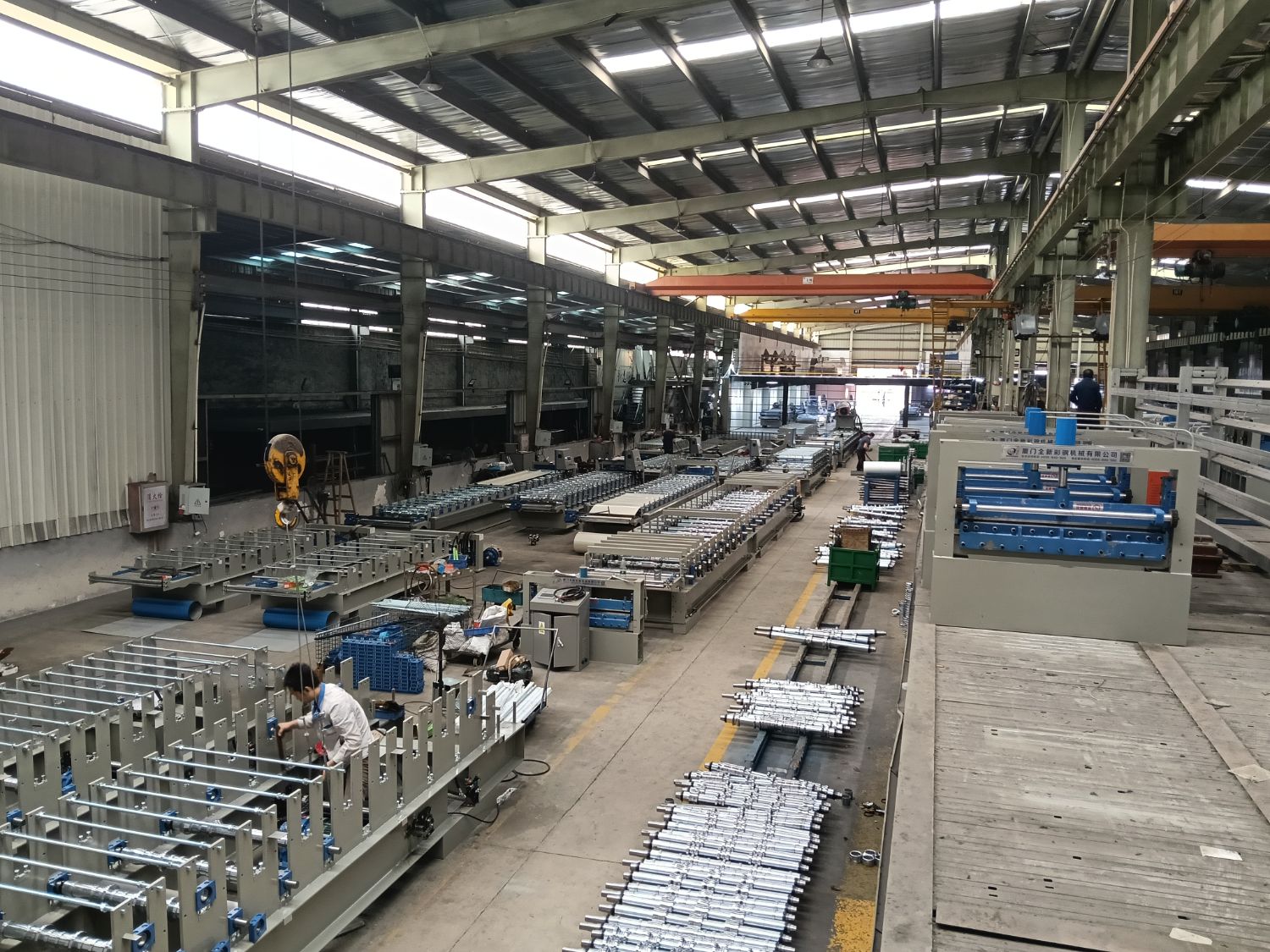
When it comes to managing rainwater, one size rarely fits all—especially in regions with varying climates and architectural styles. That's why our downspout production emphasizes customization, allowing us to craft solutions that seamlessly integrate into any environment. Whether you're dealing with heavy monsoon rains in tropical areas or light, sporadic showers in arid zones, we design downspouts that not only handle the specific water volume but also complement the local aesthetics. By offering a range of materials, from durable aluminum to eco-friendly recycled options, we ensure that each product is built to withstand the unique challenges of its setting, enhancing both functionality and curb appeal.
Our approach goes beyond just adjusting sizes or colors; we dive deep into the environmental factors that influence drainage efficiency. For instance, in coastal regions where salt spray can corrode standard materials, we provide corrosion-resistant coatings or alternative alloys that extend the lifespan of the downspouts. Meanwhile, in urban landscapes with limited space, we develop compact, multi-functional designs that maximize water collection without cluttering the façade. This level of tailoring means that every project receives a downspout system that’s not only effective but also optimized for long-term performance, reducing maintenance needs and adapting to seasonal changes effortlessly.
By collaborating closely with architects, builders, and homeowners, we turn diverse needs into innovative features. From integrating gutter guards for areas prone to leaf debris to adding sound-dampening elements for noise-sensitive environments, our customizable solutions make rainwater management a breeze. The result is a downspout that feels like a natural extension of the building, blending practicality with personalized design to meet the demands of any climate or architectural vision.
Eco-Friendly Technology: Reducing Water Waste with Advanced Downspout Systems
Picture a heavy rainstorm sweeping across your neighborhood. Instead of watching precious rainwater cascade off your roof and vanish down the drain, advanced downspout systems capture every drop, channeling it into storage tanks or directly irrigating your garden. These cutting-edge systems are more than just gutters and pipes; they incorporate smart sensors and filtration units that ensure the collected water is clean and ready for reuse. By integrating with household plumbing, they can reduce municipal water consumption by up to 40%, slashing utility bills while easing the strain on local water resources.
What sets these systems apart is their adaptability to different climates and building designs. In arid regions, they focus on maximizing storage with large-capacity tanks and efficient evaporation covers, whereas in wetter areas, they prioritize overflow management and soil infiltration to prevent flooding. Some models even link to weather apps, automatically adjusting collection rates based on forecasted rainfall—a stark contrast to traditional, passive downspouts that often lead to waterlogged foundations or wasted runoff. This tailored approach ensures that every home, from a suburban ranch to a high-rise apartment, can contribute to water conservation without compromising aesthetics or functionality.
Beyond individual benefits, advanced downspout systems foster community-wide sustainability. In urban settings, their widespread adoption can mitigate stormwater pollution by reducing the volume of runoff that carries contaminants into rivers and lakes. Initiatives in cities like Portland and Melbourne have shown that retrofitting buildings with these systems not only cuts water waste but also enhances green spaces through consistent irrigation, supporting biodiversity. As climate change intensifies water scarcity, such technologies offer a pragmatic, scalable solution, empowering people to turn a simple downspout into a powerful tool for environmental stewardship, one raindrop at a time.
High-Performance Manufacturing: Ensuring Durability and Efficiency in Every Unit
High-performance manufacturing represents a sophisticated approach that integrates cutting-edge technology and meticulous processes to produce units that stand the test of time. By leveraging advanced materials, precision engineering, and real-time monitoring systems, manufacturers can achieve a level of durability that minimizes wear and tear, reducing maintenance needs and extending product lifecycles. This focus not only enhances reliability but also builds trust with users who depend on consistent performance in demanding applications.
Efficiency is at the heart of this methodology, driving innovations in energy management, waste reduction, and streamlined workflows. Through automation and smart design, each unit is crafted to operate at peak performance with minimal resource consumption, leading to lower operational costs and a smaller environmental footprint. This efficiency translates into tangible benefits for consumers, such as reduced downtime and enhanced functionality, making high-performance products more accessible and sustainable in the long run.
Ultimately, the pursuit of durability and efficiency in every unit fosters a cycle of continuous improvement, where feedback loops and data analytics inform refinements in design and production. This iterative process ensures that products not only meet but exceed industry standards, offering a competitive edge in a crowded market. By prioritizing these core principles, manufacturers can deliver solutions that resonate with modern demands for quality, reliability, and innovation.
Expert Craftsmanship: The Art and Precision Behind Quality Downspout Machines
Every downspout machine that emerges from our workshop embodies a tradition of skilled artistry, where each component is meticulously formed through hands-on expertise. Rather than relying solely on automation, our craftspeople apply decades of experience to fine-tune the metal shaping process, ensuring seamless joints and optimal water flow. This dedication to artisanal techniques results in machines that not only function flawlessly but also stand as testaments to human ingenuity in an increasingly mechanized world.
Precision engineering is the heartbeat of our downspout machines, with tolerances measured to the millimeter to guarantee consistent performance under diverse conditions. Our team employs advanced calibration methods alongside intuitive adjustments, balancing cutting-edge technology with practical insights gained from real-world installations. This fusion of exacting standards and adaptive craftsmanship means every machine delivers reliability that endures through seasons of heavy rain and harsh weather, setting a new benchmark in the industry.
Beyond mere functionality, the creation of quality downspout machines involves an aesthetic sensibility that enhances durability and efficiency. Craftsmen carefully select materials and refine finishes to resist corrosion while maintaining an elegant appearance. This holistic approach, blending technical precision with artistic vision, ensures our machines not only outperform competitors but also inspire confidence in professionals who demand excellence in every detail of their drainage systems.
Global Impact: China's Leadership in Providing Smart Water Management Tools
Amidst growing global water scarcity, China has emerged as a pivotal force in advancing smart water management technologies, reshaping how nations address this critical resource challenge. With decades of experience in managing vast and diverse water systems, Chinese innovators have developed tools that integrate real-time monitoring, data analytics, and automated controls, enabling more efficient water distribution and conservation. By leveraging technologies like IoT sensors and AI-driven platforms, these solutions not only optimize usage in agriculture and urban areas but also help mitigate risks from droughts and floods, setting a benchmark for sustainable water governance worldwide.
What sets China's contributions apart is their focus on scalable and adaptable systems, which can be tailored to different environmental and economic contexts across regions. From Africa to Southeast Asia, Chinese smart water tools are empowering local communities through partnerships that share knowledge and technology, rather than just exporting products. This collaborative approach ensures that innovations are context-sensitive, fostering resilience and long-term water security in areas where traditional methods often fall short, thereby enhancing global water equity and climate adaptation efforts.
The tangible impacts of China's leadership are evident in case studies where smart water management has led to measurable improvements, such as reduced water losses in irrigation or enhanced urban water quality monitoring. These successes highlight how cutting-edge technology can bridge gaps in infrastructure, making water management more proactive and inclusive. As nations globally seek to modernize their water systems, China's role as a provider of these tools continues to inspire new models for sustainable resource management, driving a shift towards smarter, more connected water solutions on a planetary scale.
FAQ
A downspout machine plays a key role by efficiently channeling rainwater away from buildings, preventing structural damage like leaks or erosion, thus enhancing safety and reducing maintenance costs in urban and agricultural settings.
These factories often integrate advanced automation and high-quality materials, such as corrosion-resistant alloys, to ensure machines can handle heavy loads and harsh weather, while customizing designs to meet diverse environmental needs globally.
Yes, beyond homes, they're widely used in commercial construction, industrial facilities, and farming for drainage systems, helping manage stormwater runoff, protect infrastructure, and support sustainable water conservation efforts in large-scale projects.
Focus on features like robust construction, adjustable output for varying pipe sizes, energy-efficient motors, and user-friendly controls, along with certifications for quality and adherence to international environmental standards.
By efficiently redirecting rainwater into collection or reuse systems, they minimize water waste, reduce strain on municipal drainage, and support initiatives like green building practices, aligning with global efforts to combat water scarcity.
Common issues include installation complexity or compatibility with existing systems; manufacturers can help by offering technical support, training, and adaptable solutions tailored to local regulations and site-specific conditions.
It has shifted towards smart, eco-friendly technologies, with increased R&D in automated production lines and IoT integration, making products more reliable and competitive in international markets while addressing climate-related water management needs.
They're essential for designing effective drainage networks in cities, preventing flooding, and ensuring long-term infrastructure resilience, often integrated early in planning stages to optimize water flow and reduce public health risks.
Conclusion
China's downspout machine factories stand at the forefront of water management innovation, revolutionizing the industry through advanced engineering and smart solutions. By integrating innovative engineering, these factories produce machines that transform how water is handled, ensuring efficient drainage and reducing environmental impact. The customizable solutions offered allow for tailored production to meet diverse environmental needs, from urban settings to agricultural landscapes, making them versatile tools in global water conservation efforts. This adaptability, combined with eco-friendly technology, significantly minimizes water waste, promoting sustainable practices across various sectors.
In addition to environmental benefits, high-performance manufacturing ensures that every downspout unit is built for durability and long-term efficiency, backed by expert craftsmanship that emphasizes precision and quality. This commitment to excellence has positioned China as a global leader, with its smart water management tools making a significant impact worldwide. By blending art and technology, these factories not only enhance local water systems but also contribute to smarter, more resilient infrastructure on an international scale, driving progress in efficient water management.
Contact Us
Contact Person: Sophie
Email: [email protected]
Tel/WhatsApp: 8615959271231
Website: https://www.beenew-rollformer.com/