
Custom Tactile Switches Supplier Selection: A No-Nonsense Guide
2026-07-01
Navigating the maze of custom tactile switch suppliers? It's easy to get lost in spec sheets and hollow promises. This guide cuts through the noise with straight talk on what really matters: consistency, responsiveness, and a partner who treats your project like their own. When off-the-shelf falls short, KEJIAN ELECTRONICS steps in with engineering precision and zero fluff. Let’s break down the essentials so you can make a choice you won’t second-guess.
Nail Down Exactly What 'Custom' Means for Your Switches
Stepping into the world of custom switches often feels like wading through a sea of buzzwords—'custom' gets thrown around so loosely that it can mean anything from swapping a set of keycaps to hand-lubing every last component. But if you're after a truly personalized typing experience, you need to pin down what 'custom' actually entails for your build. It's not just about picking a color; it's about tailoring every aspect—from the housing material to the spring weight, from the stem profile to the tactility profile—to match the way your fingers want to move. That means understanding that a 'custom' switch isn't a one-size-fits-all solution; it's a deliberate assembly of choices that reflect your typing style, acoustic preferences, and even the aesthetic of your board.
The distinction often blurs between a switch that's been slightly modified and one that's been truly built to spec. You might start with a base switch and think swapping the stem makes it custom, but have you considered how the top housing material alters the sound signature? Or how the bottom housing's leaf design influences the tactile event? Real customization dives into the minutiae: matching a UHMWPE stem with a polycarbonate top for a sharper clack, or pairing a nylon bottom with a POM stem for a deeper, more muted thock. It's about experimenting with different lube viscosities for the sliders versus the springs, or even opting for aftermarket films to tighten tolerances. When you nail down exactly what 'custom' means for you, you move past the marketing fluff and into a realm where every press is intentional and every sound is yours.
Beyond the feel and sound, a truly custom switch also considers the long-term. Are you building a switch that ages well, or one that will need constant retuning? The materials you choose today determine how the switch will sound and perform after thousands of actuations. For instance, certain blends of POM might become buttery over time, while others become sticky. The plating on the springs might start to ping if not carefully selected. So, nailing down 'custom' means thinking ahead: will this combination maintain its character, or will it drift? It's this kind of foresight that separates a switch that's merely assembled from one that's authentically tailored—and that's where the real satisfaction of a custom build lives.
Skip the Guesswork: Ask for a Performance Spec Sheet
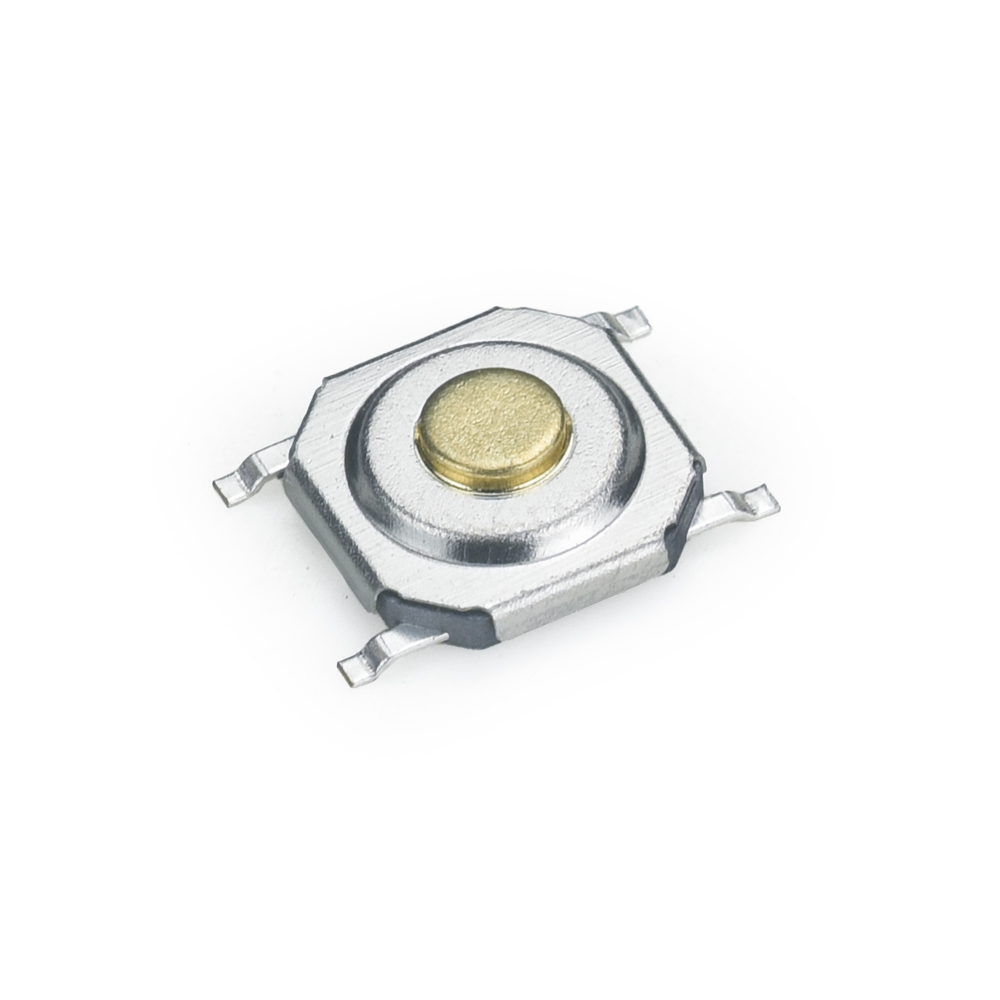
Relying on gut feelings or vague impressions to evaluate a product's performance rarely ends well. You might assume that a higher price tag guarantees better quality, or that a familiar brand name automatically delivers what you need. But assumptions can be expensive mistakes. Without concrete data, you’re essentially gambling with your budget and your project’s success.
A performance spec sheet cuts through the marketing fluff and lays out exactly what a product can do under defined conditions. It translates engineering measurements into real-world expectations—like throughput, response time, or load capacity. Instead of nodding along to glossy brochure claims, you can compare numbers side by side and spot the outliers. This isn’t about being skeptical for its own sake; it’s about making choices that hold up when things get demanding.
Next time a vendor pitches you a solution, skip the guesswork. Ask for the sheet that shows verified performance figures. If they can’t provide one, or the numbers seem conveniently vague, that’s useful information in itself. Demanding transparency isn’t pushy—it’s just the fastest way to sort out what’s worth your investment.
Prototyping Is Not Optional—Here's How to Do It Right
Skipping prototyping feels like a shortcut, but it almost always leads to rework that costs more than a little upfront exploration. I've watched teams pour weeks into high-fidelity designs only to realize they solved the wrong problem. A rough prototype, even on paper, would have caught the mismatch in an afternoon. The key isn't making it pretty; it's making it tangible enough to provoke honest reactions. When you force an idea into something clickable or interactable, the fuzzy edges you wouldn't notice in a static mockup snap into sharp focus.
The best prototypes are the ones nobody is afraid to throw away. I lean toward tools that let me move fast and keep the fidelity just high enough to test the hypothesis. Sometimes that means cardboard and sticky notes; other times it's a basic wireframe with limited interactions. The real trick is to prototype the experience, not the entire product. Focus on the riskiest assumption, the one leap of faith that the whole project hinges on. Build just enough to live through that moment and see if people lean in or lean back.
Feedback in a vacuum is dangerous. I've learned to bring prototypes into the wild early—not to a conference room full of stakeholders, but to the actual people who will use the thing. Watch their hands hesitate, listen for the sighs, notice where they predictably tap the wrong button. Those micro-moments tell you more than any survey ever could. And when you do iterate, don't polish the prototype itself; let it stay rough so nobody gets attached. The prototype is a question, not a placeholder. Good prototyping is just structured curiosity that saves you from building the wrong thing beautifully.
The Real Story Behind Minimum Order Quantities
Most people assume minimum order quantities are just arbitrary numbers set by suppliers to squeeze more money out of buyers. The reality is far more layered. At its core, an MOQ exists because producing anything involves setup costs—things like calibrating machinery, mixing materials, or printing packaging. These fixed expenses don't change much whether you make one unit or a thousand, so manufacturers need a baseline order to cover their investment. Without it, they'd actually lose money on every small custom run. It's less about greed and more about the simple math of staying in business.
But there's another side that isn't talked about as often: supply chains are built for efficiency at scale. Raw materials often come in bulk, and suppliers themselves impose minimums on the manufacturer. If a factory wants a specific type of thread, they might have to order an entire reel, even if your product only needs a few yards. Your MOQ, then, is partly a ripple effect of these upstream constraints. Smart negotiation usually revolves around understanding these drivers—maybe you can switch to a more readily available material, or agree to pay a surcharge that covers the leftover stock. Once you see behind the curtain, MOQs become less of a wall and more of a puzzle.
Certifications That Prove a Supplier Isn't Cutting Corners
When you’re vetting a supplier, certifications are far more than decorative badges on a website—they’re tangible evidence that a company has opened its doors to third-party auditors who dig into everything from raw material sourcing to labor practices. An ISO 9001 certification, for example, shows a supplier has built quality management into its DNA, with documented processes that minimize errors and waste. But look deeper: sector-specific credentials like IATF 16949 for automotive or AS9100 for aerospace demand even more rigorous controls, because a single component failure could have catastrophic consequences. These aren’t just paper promises; they require ongoing surveillance audits, so the supplier is held accountable year after year.
Don’t overlook certifications that address ethical and environmental performance, because a factory that mistreats workers or pollutes local waterways is almost certainly cutting corners somewhere else. A B Corp certification signals a company has met high standards of social and environmental impact, transparency, and legal accountability—and it’s reassessed every three years. Similarly, an SA8000 credential digs into fair wages, safe working conditions, and zero tolerance for child or forced labor. When a supplier invests in these, it’s a clear sign they’re thinking long-term, not just slashing costs to win your next order.
Finally, watch for product-specific certifications that prove the materials and manufacturing methods have been independently tested. In electronics, a UL listing confirms a product has been evaluated for fire, shock, and related hazards. In textiles, OEKO-TEX Standard 100 verifies that every component—from zippers to threads—is free from harmful substances. These marks aren’t self-declared; they come with traceability codes you can look up in a public database. Suppliers who shrug these off or offer vague “trust us” assurances are usually the ones hiding weak links in their supply chain.
Future-Proof Your Choice: Evaluating Supplier Longevity
Long-term supplier relationships often unravel not from dramatic failures, but from quiet inconsistencies that compound over time. Instead of fixating on promises of cutting-edge technology or aggressive cost savings, shift your due diligence toward structural resilience. Examine how the supplier navigated past industry disruptions—ask for concrete examples of how they adapted their processes, not just their marketing, during periods of raw material scarcity or regulatory overhauls. A supplier that can articulate a clear, documented evolution in their quality control or supply chain contingencies offers a far more dependable foundation than one that simply touts stability.
Stability alone never future-proofs a partnership—innovation agility matters equally. Vet the supplier’s approach to incremental improvement and their appetite for collaborative problem-solving. Have they ever co-developed a solution with a client that later became a standard offering? Do they maintain a living technical roadmap that you can review? Avoid partners who treat their capabilities as static; instead, seek those who regularly invest in skill development for their teams and openly share case studies that reveal how they turned unexpected challenges into shared successes. This proactive adaptability is what separates suppliers who merely survive from those who actively help you thrive in unpredictable markets.
FAQ
Prioritize proven manufacturing expertise, consistent quality control processes, and the ability to handle your specific volume needs. A supplier that offers transparent communication and detailed technical support from the start saves you headaches later.
Ask for detailed equipment lists, video tours of their production line, and samples from recent runs. Reputable suppliers will also share certifications and client references without hesitation.
Materials like contact plating (gold vs. silver) and housing plastics directly affect durability and electrical reliability. Discuss your operating environment early—humidity, temperature swings, and actuation frequency will guide the best material selection.
Insist on a full cost breakdown that includes tooling, minimum order quantities (MOQs), packaging, and shipping. Clarify whether design changes trigger extra fees and what the warranty terms cover before signing off.
Smaller suppliers often provide more flexible lead times and personalized engineering support for complex customizations. If your project isn’t mass-market scale, a niche partner might iterate faster and pay closer attention to detail.
Vague answers about quality checks, reluctance to share production data, and a history of missed deadlines are warning signs. Also, if they can’t explain how they handle tolerance variations, walk away.
Treat samples as a dry run for full production. Request multiple units from different production batches, test them under real conditions, and agree on acceptance criteria before moving forward. Skimping on sampling almost always backfires.
Conclusion
When sourcing custom tactile switches, clarity from the start saves time and money. Define exactly what “custom” entails—actuation force, travel distance, mounting style, or unique materials—so suppliers can quote accurately rather than guess. Request a detailed performance spec sheet upfront: it reveals lifespan ratings, contact resistance, and environmental tolerances that marketing brochures often gloss over. Never skip prototyping; a functional sample exposes flaws like inconsistent feedback or premature wear that drawings alone won’t show. Use short-run trials to test under real-world conditions before committing to mass production.
Minimum order quantities often hide setup costs and production realities; negotiate based on your forecast, but understand that true customization demands volume. Verifiable certifications—such as ISO, UL, or RoHS—indicate a supplier invests in quality control and compliance, not just meeting minimum standards. Look beyond the current quote and assess the supplier’s financial stability, manufacturing heritage, and commitment to R&D. A partner who has weathered industry shifts is more likely to support your future design iterations and avoid supply chain disruptions.
Contact Us
Contact Person: Anna lin
Email: [email protected]
Tel/WhatsApp: +86 13567768885
Website: https://www.kjele.com/