Corn Processing Machine Manufacturer: Expert Insights on Choosing Reliable Equipment
2026-06-11
In the competitive world of grain processing, the right machinery can make or break your operation. When it comes to corn, finding a manufacturer that combines engineering precision with real-world expertise is non-negotiable. That’s where PINGLE comes in—a brand synonymous with reliability and innovation in the milling industry. Whether you’re upgrading an existing line or building from scratch, understanding what sets a top-tier supplier apart is the first step toward long-term success. In this article, we unpack expert insights that will help you cut through the noise and choose equipment that truly delivers.
What Separates Top-Tier Corn Processing Machines from the Rest
The difference often boils down to how these machines handle the raw kernel. Cheaper models might crush indiscriminately, but premium units use precisely calibrated rollers or advanced milling chambers that preserve the integrity of the endosperm. This attention reduces waste and yields a cleaner, more consistent product—whether it's corn flour, grits, or animal feed. Even subtle variations in gap adjustment can mean the difference between a smooth operation and constant rework.
Beyond the cutting mechanism, the materials chosen for critical components tell their own story. Top-tier machines lean on hardened alloys for grinding surfaces and food-grade stainless steel for contact zones, resisting both corrosion and the abrasive nature of continuous use. You won't find painted parts flaking into the product or bearings that seize after a few months of heavy throughput. Instead, these machines are built to run season after season with minimal intervention.
Then there's the adaptability that separates workhorses from one-trick ponies. A truly exceptional machine doesn't lock you into a single output; it lets you dial in particle size, swap screens, or adjust moisture tolerance on the fly. Paired with intuitive controls that don't require an engineering degree, the best processors empower operators to fine-tune production without tearing half the line apart. That practicality adds real value long after the initial purchase.
Cutting Through the Claims: Verifying Manufacturer Expertise
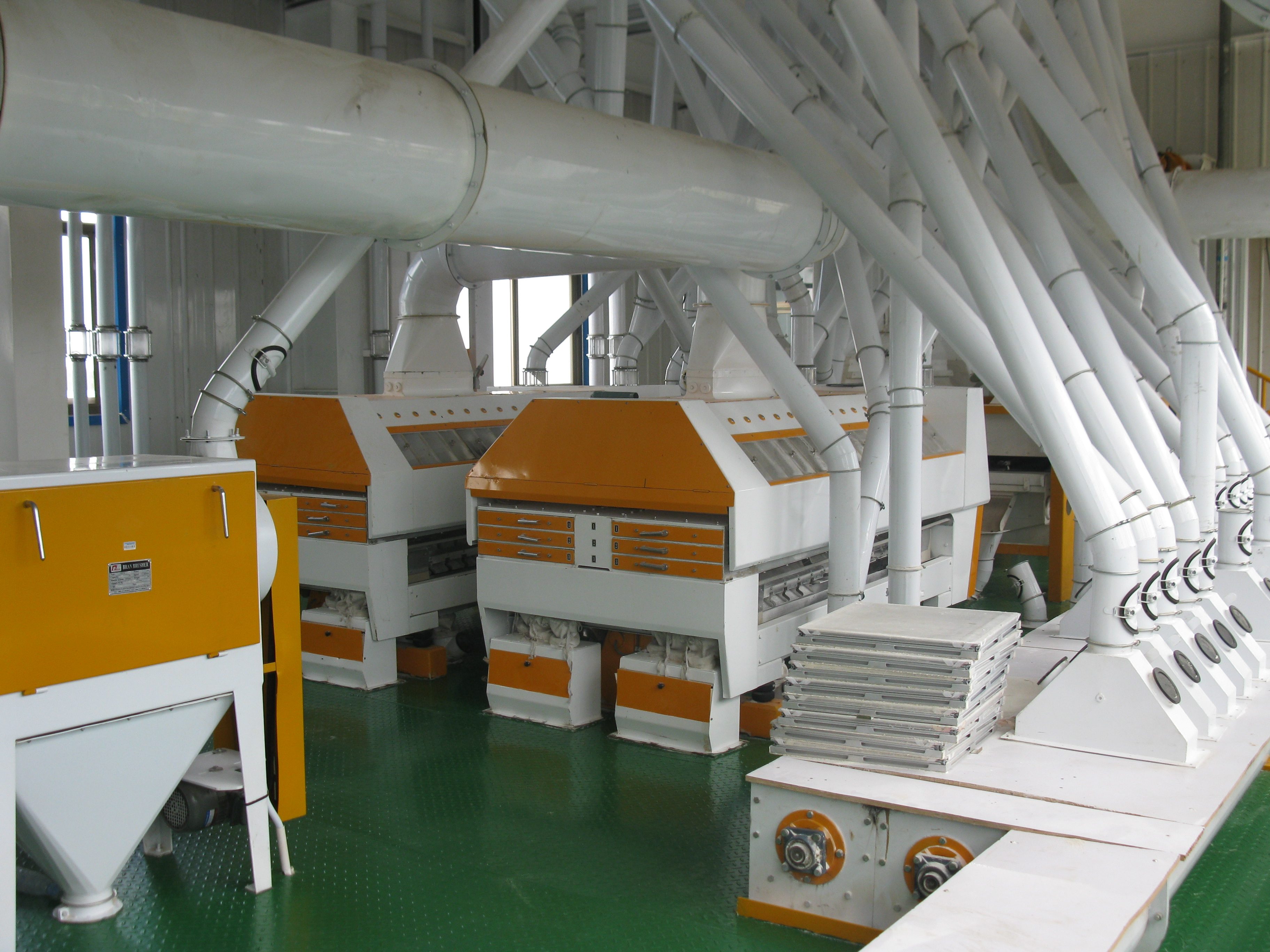
Sorting genuine know-how from slick marketing can feel like a full-time job. When a manufacturer floods you with glossy brochures and bold assertions, the real test lies in third-party validation. Look for independent certifications, verified case studies, and long-standing partnerships that speak louder than any slogan. A company that invites scrutiny—offering facility tours, sharing detailed testing data, and connecting you with existing clients—tends to have substance behind the curtain. If they shy away from transparency, that reticence often tells you everything you need to know.
Beyond paperwork, direct engagement reveals volumes. Ask pointed questions about failure rates, material sourcing, and how they handle supply chain disruptions. Engineers who can discuss process tolerances, quality control checkpoints, and customisation without leaning on scripted answers demonstrate embedded expertise. Pay attention to whether their team seems genuinely curious about your application rather than just pushing a standard solution. That consultative posture typically separates manufacturers who co-create value from those merely filling orders.
Lastly, benchmark their claims against observable performance. Request samples for in-house testing, or visit installations that have been operational for several years. Consistent results across varying conditions confirm that their expertise isn’t just theoretical. And don’t overlook the speed and honesty of their after-sales support—it’s often the truest mirror of their capabilities. Manufacturers worth partnering with treat every interaction as a chance to prove their mettle, long after the contract is signed.
Customization That Actually Fits Your Production Needs
Every production environment comes with its own set of quirks—rigid off-the-shelf solutions rarely account for the actual constraints you face daily. Our approach starts by mapping your existing workflows, bottlenecks, and operator feedback, so the customization targets real friction points instead of adding unnecessary complexity.
We prioritize adaptive tooling over one-size-fits-all features. Whether it’s integrating with legacy machinery, fine-tuning output tolerances on the fly, or reconfiguring interfaces for seasoned staff versus new hires, the system bends to how your team already works—not the other way around.
When your requirements shift, adjustments shouldn’t require a vendor’s intervention or a complete overhaul. The configuration layers we build allow your in-house team to tweak parameters directly, test changes safely, and roll out updates without disrupting active lines. It’s customization that doesn’t freeze your process in place—it evolves with it.
The After-Sales Safety Net You Can’t Afford to Ignore
A purchase isn’t truly complete without knowing what support stands behind it. Many buyers fixate on upfront price tags and flashy features, then realize too late they’re on their own the moment something goes wrong. A robust after-sales safety net fills that gap—it’s the assurance of responsive service, clear warranty terms, and genuine parts that keep your investment from turning into a liability. Without it, even minor issues can spiral into costly downtime and frustration.
It’s easy to underestimate the hidden costs of poor post-purchase care. When every hour of waiting for a repair eats into productivity or leisure, the real price tag becomes far steeper than any initial savings. The right safety net means you’re never left chasing vague promises or outdated phone numbers; it’s a direct line to experts who treat your problem like their own, often before you’ve finished describing it. That kind of trust is built into the product, not sold as an afterthought.
Smart buyers know that after-sales service is the silent partner in every reliable product. It’s the difference between a one-time transaction and a long-term relationship where you feel genuinely looked after. When you factor in the cost of potential failures—lost time, replacement headaches, unexpected fees—the math becomes simple: a dependable safety net isn’t a luxury, it’s the foundation of any wise purchase. Ignore it, and you’re betting against your own peace of mind.
When Innovation Translates into Real-World Efficiency
Smart breakthroughs don’t stay in the lab—they reshape day-to-day operations. When fresh ideas flow into actual workflows, the gap between concept and result narrows fast. Teams stop wrestling with repetitive tasks and start focusing on what truly moves the needle. It’s not about flashy tech; it’s about tools that quietly make the work smoother, faster, and noticeably less cluttered. Every saved click and automated step adds up, turning abstract progress into tangible gains that people can feel.
This shift shows up in the smallest moments: a database query that used to take minutes now returns in seconds, or a supply chain that once relied on guesswork now adapts on the fly. The real magic happens when these improvements weave into the fabric of a company, becoming invisible infrastructure. No one notices the plumbing until it works perfectly. That’s when innovation becomes a quiet superpower—boosting output without demanding attention, slicing through delays that used to be accepted as “just how things are.”
The result isn’t just a faster process—it’s a different rhythm. Teams move with confidence, decisions lean on real-time insight instead of stale reports, and resources flow where they matter most. Efficiency stops being a metric on a dashboard and becomes the natural momentum of the workday. In that environment, growth feels less like a sprint and more like breathing: steady, sustainable, and instinctively aligned with what the business truly needs.
Total Cost of Ownership: Beyond the Sticker Price
When evaluating a purchase, the initial price tag can be deceiving. It's only the tip of the iceberg. Ongoing expenses like maintenance, repairs, fuel or energy consumption, insurance, and even training staff to use the product can quickly surpass that upfront cost. For a vehicle, you're not just paying for the keys; you're committing to years of fuel stops, tire replacements, and unexpected breakdowns. Understanding this broader view is the first step toward making a financially sound decision.
Total Cost of Ownership (TCO) forces you to consider the entire lifespan of an asset. It's about asking the right questions: How long will this equipment run before it needs major service? What does a typical repair cost, and how easily can I source parts? For software, you might need to account for ongoing subscription fees, compatibility upgrades, and the time your team spends learning a clunky interface. These hidden costs often determine whether a 'bargain' turns into a money pit.
Smart buyers don't stop at comparing initial quotes. They calculate the cumulative outflow over three, five, or ten years. This long-term perspective can reveal that a slightly more expensive option with lower operating costs actually saves thousands over time. It also highlights the value of reliability and efficiency—factors that rarely show up on a price sticker but heavily influence your bottom line. By embracing TCO thinking, you're not just shopping; you're investing in total value.
FAQ
Start by examining their production facility and quality control processes. A trustworthy manufacturer is transparent about their factory operations—ask for a virtual tour or visit if possible. Check if they use certified materials like stainless steel that meets food-grade standards. Long-standing manufacturers often provide case studies or client references, so request those to gauge real-world performance. Also, confirm whether they have in-house testing capabilities and a dedicated engineering team, as that indicates a deeper commitment to reliability.
Focus on throughput capacity, motor power, and material compatibility. Throughput should match your production volume without overworking the system. Look for direct-drive motors rather than belt systems to minimize energy loss and wear. The thickness of steel plates in critical areas like the grinding chamber directly impacts durability. If you handle different corn varieties, ensure the machine can adjust settings like moisture content and particle size. Don't overlook safety features—emergency stops, overload protection, and dust control are non-negotiable in a professional setup.
Longevity comes from a mix of robust design and proactive maintenance. Ask the manufacturer about expected service intervals and the availability of wear parts like screens, blades, and bearings. Machines with fewer moving parts tend to have lower failure rates. Regular cleaning is easier if the design allows tool-free access to internal components. Also, request a maintenance schedule and training for your team; a manufacturer that invests in educating operators shows confidence in their product’s durability.
Overbuying or underbuying capacity is the top error—getting a machine too large wastes energy, while one too small bottlenecks production. Another is ignoring local support. If tech assistance is half a continent away, a minor issue can halt operations for days. Some buyers prioritize upfront cost over lifetime value, neglecting energy consumption and part replacement expenses. Finally, not testing the machine with their actual raw material is risky; what works in a demo might struggle with your specific corn variety or moisture level.
Request detailed photos or videos of the manufacturing process, focusing on welding joints, surface finishing, and assembly precision. Tight, uniform welds with no cracks or spatter indicate careful fabrication. Electrical enclosures should be dust-proof and neatly organized. If possible, ask for a live demonstration where the machine runs continuously for several hours to reveal any heat buildup or vibration issues. Checking the warranty terms can also hint at confidence—longer coverage on structural components usually means better build quality.
At a minimum, you should receive installation guidance, operational training, and a clear warranty. Beyond that, look for responsiveness: do they offer a direct line to technicians, not just a generic customer service portal? Check if they stock critical spare parts locally or promise fast international shipping. Some manufacturers provide remote monitoring or diagnostic tools to pre-empt failures. A good partner will also follow up periodically to review performance and suggest optimizations—this kind of support often distinguishes a supplier from a genuine industry expert.
It depends on your operation. Standardized models are typically cheaper, faster to deliver, and easier to maintain because parts and documentation are consistent. Customization makes sense when you have unique space constraints, need to integrate with existing lines, or process a niche corn product. However, custom builds require thorough collaboration. Provide detailed specs early, and be prepared for longer lead times. A reliable manufacturer will honestly advise whether off-the-shelf or tailored is the smarter path, rather than pushing the more expensive option.
Conclusion
When evaluating corn processing machines, it's the subtle engineering details that separate industry leaders from average equipment. Top-tier machinery isn't just about horsepower; it's about precision in every component, from roller gap consistency to degermination efficiency, ensuring maximum yield and minimal waste. However, flashy brochures can be deceiving. Verifying a manufacturer's actual expertise requires digging into their track record—speaking with current users, inspecting operating plants, and demanding proof of performance under conditions similar to yours. Furthermore, no two operations are identical, so a manufacturer's willingness to tailor solutions matters immensely. Customization should go beyond tweaking existing models; it should start from understanding your raw material quality, desired output, and space constraints to design a system that truly fits.
Equally critical is the after-sales support, which acts as your safety net when issues inevitably arise. A reliable manufacturer offers responsive technical assistance, readily available spare parts, and proactive maintenance training to keep your line running. Look for partners who view the sale as the beginning of a long-term relationship, not the end goal. Innovation also plays a pivotal role when it directly impacts your bottom line. Real-world efficiency gains come from features like automated moisture control or energy-saving drying systems that cut operational costs year after year. Ultimately, the savviest buyers evaluate total cost of ownership, considering energy consumption, maintenance frequency, and longevity rather than just the upfront price. This holistic approach ensures you invest in equipment that delivers sustained profitability.
Contact Us
Contact Person: Jiakuo Wu
Email: [email protected]
Tel/WhatsApp: +86-13011566087
Website: https://www.pinglemachine.com